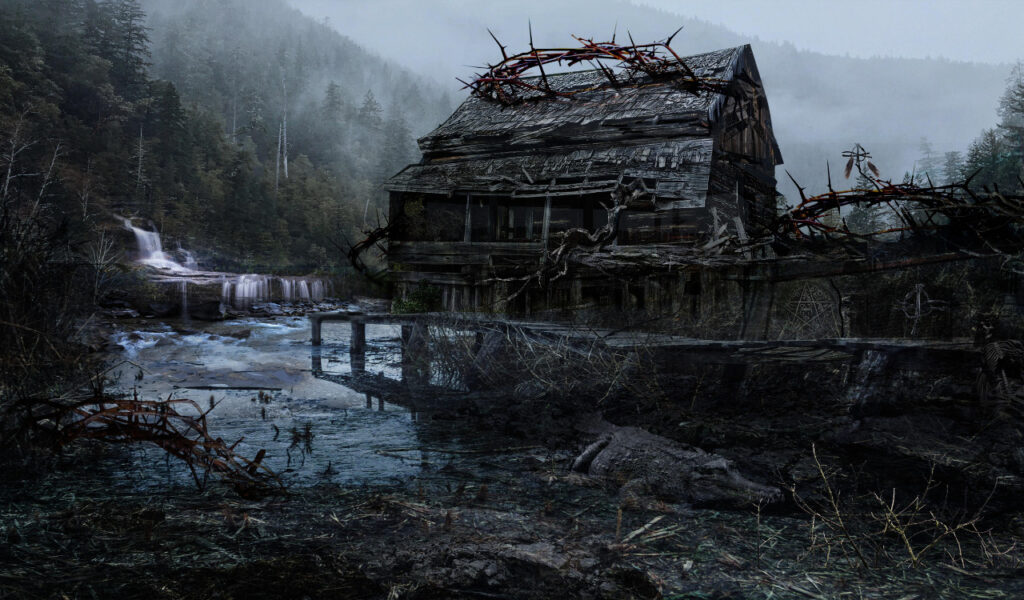
As the horror genre moved from the meta slasher weariness of the late 1990s to a gritty, more experimental era, the first decade of the 2000s was a tumultuous but wonderful transition. The “New French Extremity,” discovered footage, and a slew of expensive remakes that actually outperformed their predecessors were all launched during this time.
Because the movies in this decade mainly depended on ambiance and real-world practical effects rather than the computer-generated imagery that frequently distinguishes more recent releases, they are still a treasure trove for macabre aficionados to rewatch.
Film historians and genre critics claim that the post-9/11 angst that characterized the 2000s was reflected in visceral, uncompromising cinema. According to experts, these particular titles’ rewatchability results from their capacity to appeal to common anxieties while providing nuanced depths that viewers would overlook during an initial, frightened watching. These ten standouts have cemented their place as essential components on every horror fan’s yearly rotation, whether it be the unrelenting pacing of a survival thriller or the subtle background details in a haunted house.
1. The Ring (2002)
More than just making a success, Gore Verbinski created a visual language of dread that hasn’t been surpassed when he introduced this Japanese ghost story to American viewers. The scraping, warped images of the cursed tape combined with the film’s icy, sterile blue color scheme produced a sensory experience that is still unsettling today.
Since its success was based on mystery and investigative pacing rather than cheesy jump scares, professional critics frequently cite this movie as the apex of the “J horror” remake trend. Set designers and realtors frequently comment on the film’s use of architecture to emphasize isolation, particularly the desolate lighthouse on the shore and the stifling, damp Morgan ranch interiors. Experts claim that the “seven days” countdown, which establishes a ticking clock mechanism that maintains the suspense even after you know the tragic conclusion, is what gives the film its revisit value.
Samara’s story is a masterwork of tone that rewards those who pay attention to its eerily lovely composition. The atmospheric weight of the Pacific Northwest location becomes heavier every time you read it again.
2. 28 Days Later (2002)
By substituting the hyper-aggressive, “Rage”-infected runners for plodding, shambling corpses, Danny Boyle effectively reimagined the zombie subgenre and redefined cinematic fear. Boyle’s use of digital video allowed him to achieve an unvarnished, documentary-style aesthetic that gave the empty streets of London the appearance of a real apocalypse shot on a handheld camera. Filmmakers frequently suggest this film as a masterpiece of low-budget creativity, demonstrating that world creation is less about elaborate set pieces and more about viewpoint and sound design.
Because it concentrates on the psychological collapse of human survivors rather than only the creatures outside, the movie is still a favorite among rewatchers, according to survival specialists and horror theorists. The film’s second half, which switches from a city escape to a tense military standoff, provides a biting look at the breakdown of society that seems more and more pertinent.
Critics contend that viewers will return for the characters as much as the frightful, bloodshot eyes of the infected because of the connection between Cillian Murphy and Naomie Harris, which offers an emotional anchor uncommon in the genre.
3. Shaun of the Dead (2004)
Edgar Wright’s love letter to George A. Romero, often regarded as the quintessential “ZomCom,” is a unique instance of a movie that works just as well as a comedy or a true horror thriller. The film’s extremely rich “foreshadowing” and visual gags, many of which are only apparent after a third or fourth watching, have made it famous among cinema scholars.
Wright’s rhythmic cutting and the way the fight scenes’ choreography blends with the lively soundtrack are frequently praised by editors and designers as producing a viewing experience that feels like a well-timed machine.
According to experts, the characters’ relatable, everyday personalities, who are more focused on their failing relationships and bar plans than the real end of the world, are what draw viewers in. The moments of true tragedy, like the scene in the Winchester basement, hit shockingly hard, and even while there are a lot of chuckles, the stakes are still high. Professional flippers and set decorators observe that the undead’s entry feels strangely grounded due to the meticulous attention to detail in the “ordinary” British backdrop, which counterbalances the gore.
4. The Descent (2005)
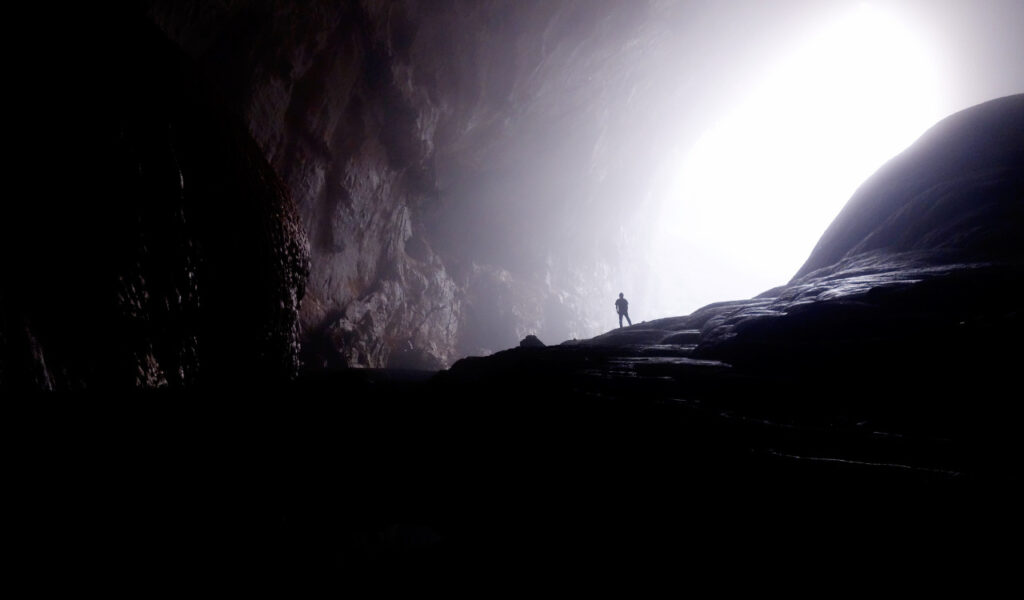
Survivalists and psychologists often point to Neil Marshall’s underground nightmare as one of the best films ever made about claustrophobia. The film evokes a primitive sensation of terror long before the “Crawlers” ever materialize by enclosing an all-female cast in an unmapped cave labyrinth.
Spelunkers and skilled contractors frequently talk about the technical challenges of recording in such small, dark areas, pointing out that the usage of green glow sticks and red flares produces a particularly confusing visual aesthetic.
Critics claim that the film’s rewatchability stems from its two layers of horror: on the surface, it is a monster movie, but on the inside, it delves deeply into grief and treachery. Every tight section feels even more tense because of the stress created by the main characters’ failing relationship.
Since the original UK version gives a considerably darker, more psychological finish that alters the entire backdrop of the journey, many fans go back to discuss the various endings. It never stops being a high-energy, visceral event that gives the audience the impression that the walls are closing in.
5. Pan’s Labyrinth (2006)
A singular addition to the horror canon, Guillermo del Toro’s dark fairy tale is a visual masterpiece that straddles the line between historical drama and horrific imagination. The film, which is set in post-Civil War Spain, mirrors the very real tragedies of war and fascism through the imagined world of a young girl. Praising the use of practical effects over digital animation to create a tangible feeling of fear, professional makeup artists and creature designers often identify the Pale Man sequence as one of the most iconic sequences in contemporary cinema.
According to experts, the film’s enduring impact stems from its deep symbolism and refusal to offer simple explanations for the veracity of its magical aspects. The viewer has a deeper understanding of the similarities between the needs of the underground realm and the Captain’s harsh discipline with each rewatch.
Film experts claim that the film’s greatest weapon is its beauty, which draws viewers in with breathtaking photography before revealing horrifying, realistic brutality. It is an intensely emotional and eerie experience that rewards intense attention with a narrative that seems to be an old, rediscovered myth.
6. The Mist (2007)
Frank Darabont’s creature feature, which is based on the Stephen King book, is well-known for having one of the most divisive and heartbreaking conclusions in movie history. The plot centers on a group of townspeople who are trapped in a supermarket by a weird fog that is full of Lovecraftian monsters. However, the real threat soon emerges from the religious fanaticism that is developing there.
This movie is frequently cited by sociologists and professional behavioral analysts as the ideal example of “groupthink” and how rapidly decency breaks down under intense strain.
The black and white version of the movie that was released on home media, which Darabont meant as a nod to the vintage monster movies of the 1950s, is the version most critics advise rewatching. The extraterrestrial creatures appear more natural and less like a computer overlay thanks to this aesthetic change, which also highlights the shadows.
According to experts, the rewatch value is in observing the subtle power dynamics within the store as the characters you previously trusted start to fall apart. After the last, devastating frame, you are left with a depressing, unyielding view of humanity.
7. Paranormal Activity (2007)
Oren Peli’s first independent horror film was a masterwork of the “less is more” horror philosophy before it became a huge franchise. The video turns watching into a stressful game by employing a static security camera perspective, which compels viewers to look for movement in every part of the screen.
Because it breaches the one place where individuals feel most comfortable, professional organizers and interior designers frequently observe that the familiarity of the suburban bedroom environment is what makes the scares so powerful. Experts claim that this pioneer of found footage’s slow burn pacing and “did you notice that” element are what make it rewatchable. The psychological weight of the invisible monster maintains the anxiety even when the location of the major scares is known.
The film’s success, according to critics, revolutionized the business by demonstrating that a modest budget and a compelling idea could outperform big-budget studio movies. Remember why a door slowly closing used to be the scariest thing in Hollywood by watching this one again with the lights off. It demonstrates that the mind is the best special effects tool.
8. Let the Right One In (2008)
By removing the romanticized clichés and substituting a chilly, solitary, and profoundly human tale, this Swedish classic completely rewrote the vampire genre. A bullied boy and an old vampire imprisoned in a child’s body have a heartwarming yet deeply unsettling friendship. The film’s use of negative space and the sharp contrast between the crimson blood’s abrupt, explosive blasts and the white snow of the Stockholm suburbs are frequently praised by cinematographers.
Because of the uncertainty surrounding the vampire’s objectives, experts claim this movie has an extraordinarily high replay value. Is it a true friendship, or is the creature just training a new guardian to take the place of her elderly friend?
Expert authors and reviewers contend that the film’s slow, methodical pacing lets the audience become engrossed in the mood, making the final violent scenes seem justified rather than gratuitous. Few other films have been able to match the grounded realism with which it handles its supernatural elements. It is a gloomy, beautiful, and ultimately horrifying film.
9. Trick ‘r Treat (2007)
Often compared to “A Christmas Carol” for its ability to encapsulate the essence of a certain holiday, Michael Dougherty’s anthology picture has emerged as the standard Halloween viewing. This film skillfully ties its four stories together in a nonlinear fashion, with characters from one story showing up in the background of another, in contrast to many anthologies that seem disconnected. Professional set decorators and costume designers adore the movie because of its vivid orange color scheme and dedication to the “rules” of the holiday, which are imposed by the enigmatic Sam.
Film critics claim that the film’s cult popularity developed specifically due to its interconnecting timeframes and “hidden in plain sight” cameos, which encourage repeated viewings. According to experts, the movie succeeds because it strikes a balance between the lightheartedness of Halloween and a cruel, “E.C. Comics”-style sense of justice.
It is a tribute to the genre that simultaneously manages to be eerie, humorous, and shockingly graphic. For a lot of fans, October wouldn’t be the same without visiting Warren Valley to witness who is upholding the customs and who is going to suffer a terrible lesson.
10. Orphan (2009)
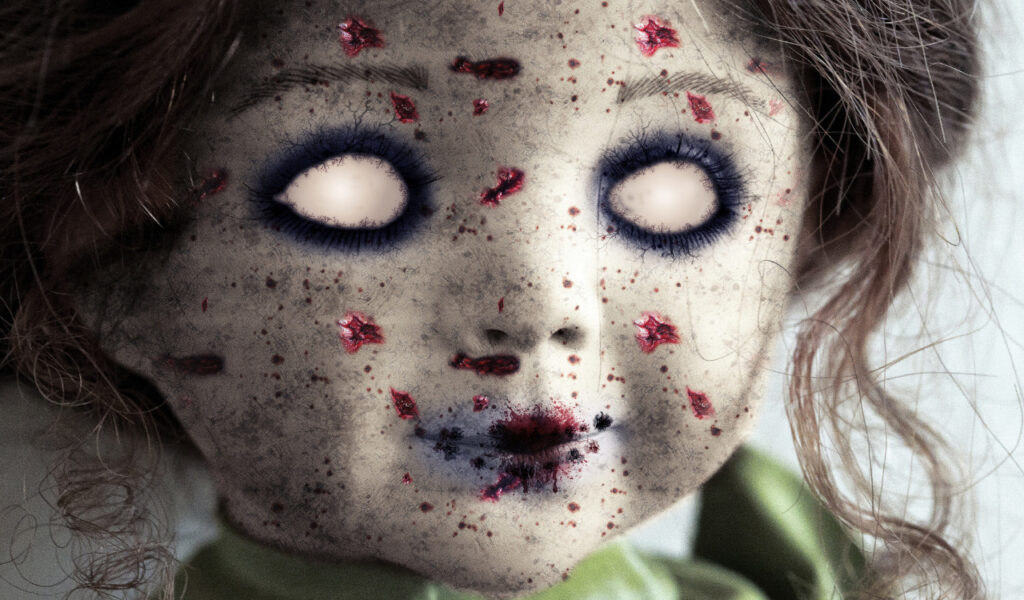
Long before the term “elevated horror” was popular, this psychological thriller gave fans a really shocking plot twist and an unforgettable performance by Isabelle Fuhrman. As the parents start to notice her oddly grown-up habits, the story of an adopted child who is not what she seems is based on a gradual accumulation of “uncanny valley” distress. The movie’s play on the fear of the “invader” in the home has been discussed by child psychologists and family therapists on occasion, who have pointed out how it appeals to the fears of contemporary parenting.
According to experts, this movie has a huge rewatch value because, once you figure out the secret, the entire first two acts have a whole new, frequently darkly humorous meaning. Every conversation, clothing decision, and deceptive fib adds up to a bigger picture that was concealed in plain sight.
The film is praised by critics for its excellent production value and Vera Farmiga and Peter Sarsgaard’s powerful performances, which give the increasingly fantastical plot genuine emotional resonance. The 2000s reserved some of its greatest surprises until the very end of the decade, and this sleek, high-tension thriller proves it.