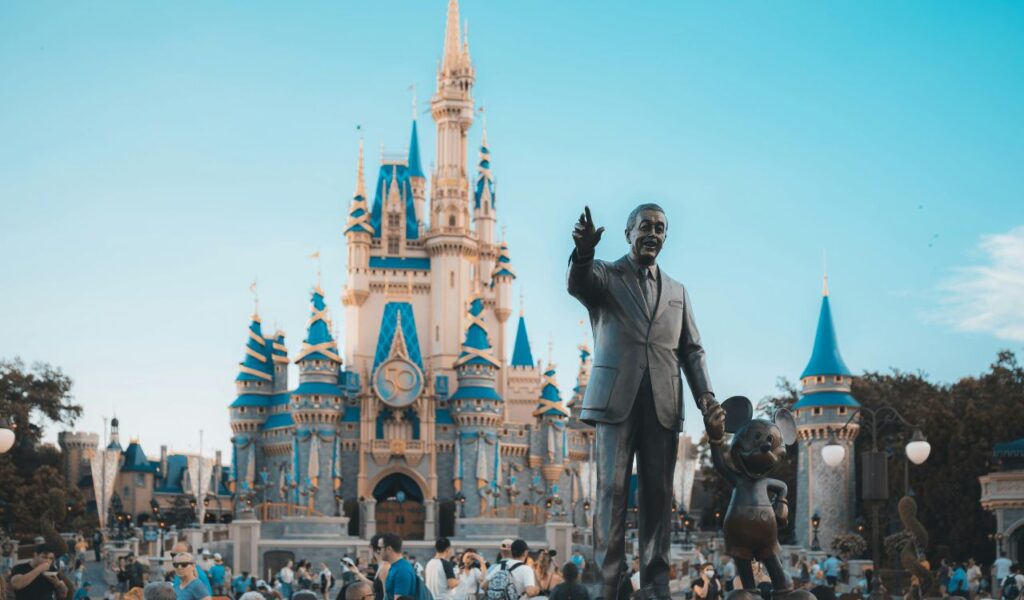
Disney magic commonly combines high-stakes adventure and lighter comedy. While protagonists carry the story’s emotional weight, supporting casts often give the most memorable moments. Animation historians say sidekicks are meant to be “scene-stealers,” giving viewers a break during stressful storylines. By allowing these characters to be eccentric, authors typically build personalities that resonate more than the film’s standard, sometimes stoic hero.
Professional character designers say humor makes a world feel real and sympathetic. Industry analysts say the best Disney comedies include a supporting cast that contrasts with the protagonist’s sincerity. The “straight man” effect occurs when the hero’s serious intentions are pierced by their companions’ wit or comedy. From dry sarcasm to frenetic energy, these ten characters showed that you do not need top billing to be the kingdom’s most entertaining.
1. Genie (Aladdin)
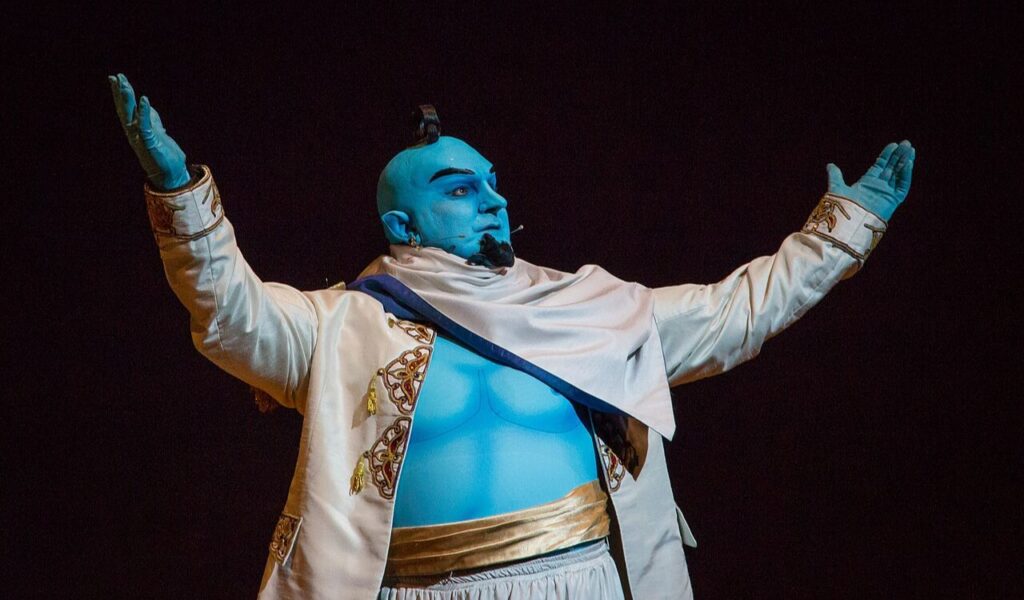
Genie dominates animation comedy, overshadowing Aladdin’s rise from street mouse to prince. According to experts, Robin Williams’ improvisational genius allowed him to quickly convey pop culture references and impressions, making the persona successful. This frenzied energy revolutionized Disney pictures, introducing self-aware humor. Aladdin’s motives are romantic and pure, but Genie makes every scene he enters a high-energy variety show.
Animation directors said Genie’s shapeshifting makes her the perfect canvas for visual comedy that humans can not do. This “rubber-hose” animation approach allows for many jokes that keep viewers guessing. Professional critics say that while the audience wants Aladdin to win the princess, they watch to see what the Genie does next. His warmth and tenderness, along with his incomparable wit, make him the 1992 classic’s humorous heart.
2. Mushu (Mulan)
Mulan is a life-or-death narrative, but Mushu adds humor. Storytelling experts say Mushu represents the audience, reacting with exaggerated dread or swagger to Mulan’s dangers. His fast-talking personality and desperate attempts to recover his family guardianship make for some of the film’s funniest dialogue. Mushu is obsessed with his ego, while Mulan is concerned with honor and survival, causing comic conflict.
A high-energy comedian was key to making the dragon a fan favorite, say casting directors. Industry veterans say Mushu’s small size compared to his big personality is a typical comedy cliche that works well in war movies. His “training” of Mulan is full of bad counsel and mistaken confidence, in contrast to the Chinese army’s discipline. He shows that a dragon with a large mouth and a huge heart can fit in any sacrificial story.
3. Timon and Pumbaa (The Lion King)
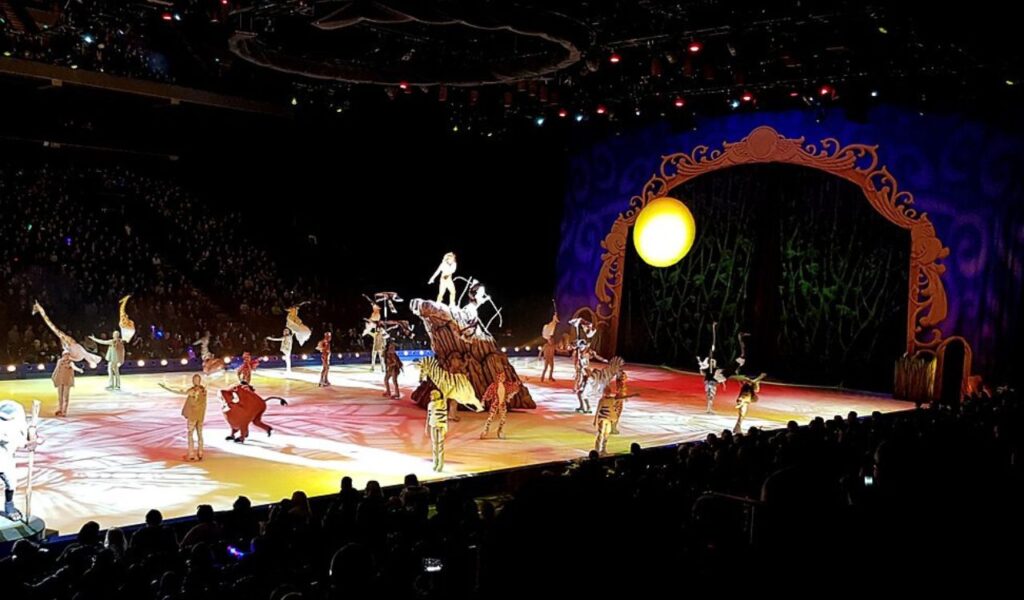
Timon and Pumbaa are inseparable when discussing The Lion King’s humor. Simba struggles with his destiny and previous guilt, but this meerkat and warthog combination promotes “Hakuna Matata,” or no worries. Experts think their introduction changes the film’s tone following its most devastating moment. Timon, the neurotic planner, and Pumbaa, the sweet, slightly dim-witted behemoth with a fondness for gas-related humor, form a typical “odd couple” dynamic.
Professional scriptwriters say Timon and Pumbaa’s humor comes from their everyday arguing, which feels normal despite the Pride Lands’ high drama. Animation historians say they were so successful that they got their own TV show, proving their humorous prowess. Their presence helps the film to explore camaraderie and relaxation, balancing Simba’s royalty with pure delight. They prove that sometimes the best heroes just want to eat bugs and sing.
4. Olaf (Frozen)
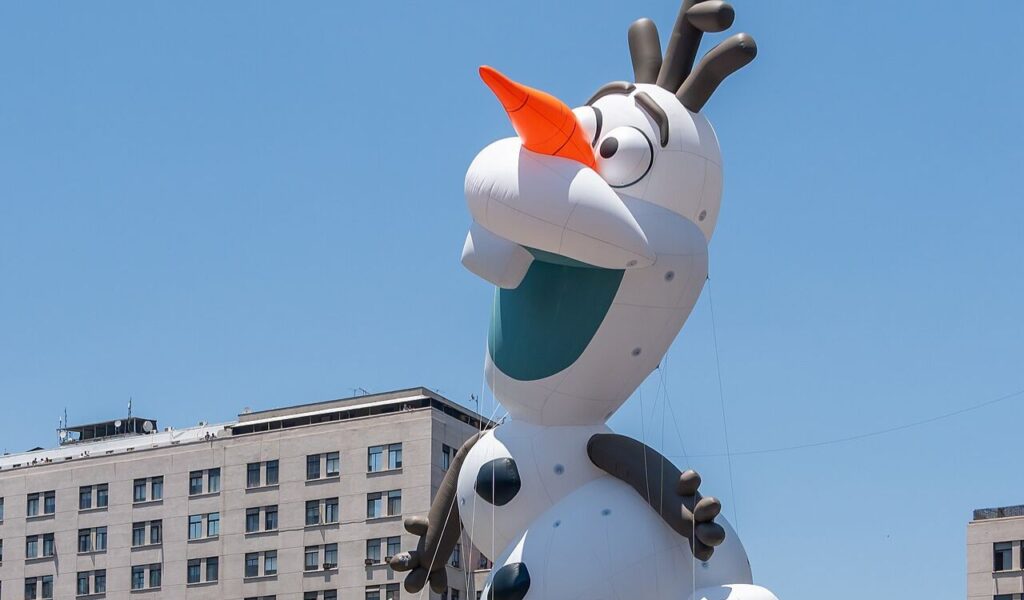
The snowman Olaf brought “innocent humor” to Arendelle’s wintry landscapes with his complete lack of self-awareness. Character development experts say Olaf’s fascination with summer, despite being made of ice, is a fantastic, humorous irony. His songs and physical humor, such as disassembling his snowy body, give a playful counterpoint to Anna and Elsa’s sisterly tension. Olaf is content to join the heroes despite their frozen hearts and magical seclusion.
Child psychologists and media experts say Olaf’s comedy appeals to childish wonder and hope. His simple yet profound worldviews appeal to youngsters and adults. Professional animators say his actions were created to be slightly sloppy but graceful, adding to his gags’ “cute” appeal. Olaf gives humorous relief and comfort in a frigid world, illustrating that heroic journeys require a little silliness.
5. Hades (Hercules)
Few villains are funnier than heroes, but Hercules’ Hades is an exception. The character’s fast-talking, used-car-salesman attitude was a welcome change from previous antagonists, say experts. The juxtaposition between Hercules’ “aw-shucks” sincerity and his caustic sarcasm and explosive tantrums is amusing. Hades, a stressed-out businessman managing his minions and a demanding employer, is surprisingly relevant to adults, unlike Hercules, who seeks glory.
Industry sources say the animators relied on the voice actor’s rhythmic delivery to match the dialogue’s rapid pace. Experts say Hades’ interactions with his clumsy henchmen, Pain and Panic, are some of Disney Renaissance’s funniest. One of Disney’s most charismatic antagonists, his displeasure with the hero’s triumph is played for laughter rather than menace. Hades illustrates that the “bad guy” can have the best script lines.
6. Kronk (The Emperor’s New Groove)
The Emperor’s New Groove is a comedy, but Kronk steals the show. Comedy writers call Kronk the perfect “lovable oaf,” a character whose generosity clashes with his duty as a villain’s aide. A shoulder angel and devil represent his moral discussions, which are hilarious masterpieces in timing and delivery. Kronk’s obsession with spinach puff temperature endears him to the audience while Kuzco learns humility, and Pacha saves his town.
Professional voice teachers say the character’s deep, deadpan voice makes his crazy utterances funnier. Chefs joke that Kronk pioneered food-loving characters in animation due to his love of cooking. Experts think Kronk is funny because he is sincere in everything he does, from talking to squirrels to helping his boss, Yzma, commit a heinous crime. He adds a sense of absurdity to the film’s darkest moments, keeping the audience chuckling.
7. Sebastian (The Little Mermaid)
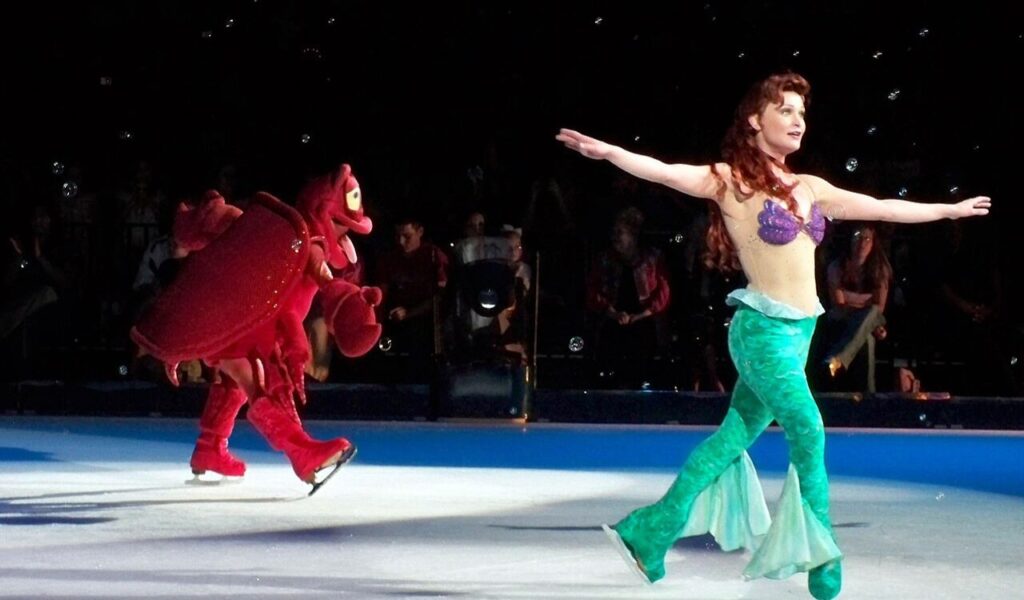
Sebastian the crab’s anguish at carrying the sea on his little shoulders is a major source of comedy in The Little Mermaid. Sebastian plays the “harried parent” role, trying to keep rebellious Ariel out of trouble, according to experts. His high-strung nature and frantic attempts to fulfill King Triton’s orders cause many comic moments, including his famous kitchen brawl with Chef Louis. Sebastian is trying to keep order in a world that is coming apart, while Ariel dreams of another.
According to music historians, Sebastian’s humorous timing fits his songs like “Under the Sea.” Professional animators solved the problem of animating a crab with human emotions by giving it huge eyes and a flexible mouth, allowing for fantastic “takes” during comedies. His transformation from a stern court composer to a loyal friend who helps Ariel find her voice is funny and touching. Analysts believe that Sebastian’s anxious energy and humorous remarks give the film’s imaginary world its attractiveness.
8. Maximus (Tangled)

In a film full of funny humans, Maximus, a horse, is one of the funniest characters without speaking. Experts in nonverbal communication think Maximus’s “super-cop” demeanor and dog-like gestures make him stand out comedically. His pursuit of Flynn Rider is like a classic action movie rivalry, but with a horse doing human detection and combat. While Rapunzel and Flynn develop their romance, Maximus delivers physical humor to keep the pace and intensity high.
According to horse trainers and animal behaviorists, the animators perfectly caught horses’ expressiveness and exaggerated it for comedy. Experts say Maximus’ battle with Pascal the chameleon adds fun because the two little but powerful critters often outsmart humans. Rapunzel’s generosity softens his staunch adherence to justice, creating a funny character journey without language. Maximus illustrates that Disney’s best gags are seen rather than heard.