
The idea of a family movie night is more important than ever for maintaining peace in the home in a time when each member of the family frequently withdraws to their own screen. Experts in child development claim that purposeful co-viewing offers a special chance for “co-regulation,” in which kids can learn to manage difficult emotions by seeing how their parents respond to a narrative. According to industry insiders, the secret to a great evening is to shift from passive viewing to an engaged, multisensory experience.
Parenting experts say that a well-run movie night can help kids become better communicators and boost family ties. Parents can make sure that the content is both engaging and consistent with their family values by using carefully chosen resources, such as the Treehouse Schoolhouse list of 100 healthy films. Children are much more likely to stay active and value the custom when they feel like they are part of the planning process, according to experts. These eight suggestions are meant to turn your living area into a center for creativity and social interaction.
1. The “Read-First” Cinema Challenge

The “Book-to-Screen” method is highly recommended by literacy specialists and educational consultants to improve a child’s reading comprehension. Numerous books on the Treehouse Schoolhouse wholesome list, like The Secret Garden and Charlotte’s Web, have literary roots. You can build anticipation and a greater level of intellectual interest in the characters by having your family read the book together in the weeks before the film.
Expert organizers suggest putting up a “comparison station” where children may illustrate how the characters looked on film versus how they pictured them. According to experts, this practice helps kids express their creative choices and fosters critical thinking. Teachers say this approach makes the last viewing feel like a well-earned prize for finishing a fantastic novel, transforming a simple movie night into an extension of their educational journey.
2. Interactive “Character Dinners”

According to play therapists and nutritionists, relating food to a story might help “picky eaters” try new foods and make mealtimes more engaging. Expert chefs advise designing a meal that portrays the movie’s environment in place of typical pizza. For example, while watching Ratatouille, you can have the children cut veggies to make a simplified rendition of the dish’s name. Cooking together helps children develop “executive function” skills, according to experts.
Event coordinators claim that the table arrangement can be equally as significant as the cuisine. Simple household goods, such blue napkins for an undersea theme like Finding Nemo, are suggested by designers as a way to theme the eating room. According to industry insiders, these minor, considerate details transform the evening from a typical night at home into a memorable occasion. Children benefit from this sensory immersion by remaining attentive and involved with the family all evening long.
3. The “Cozy Cave” Architecture
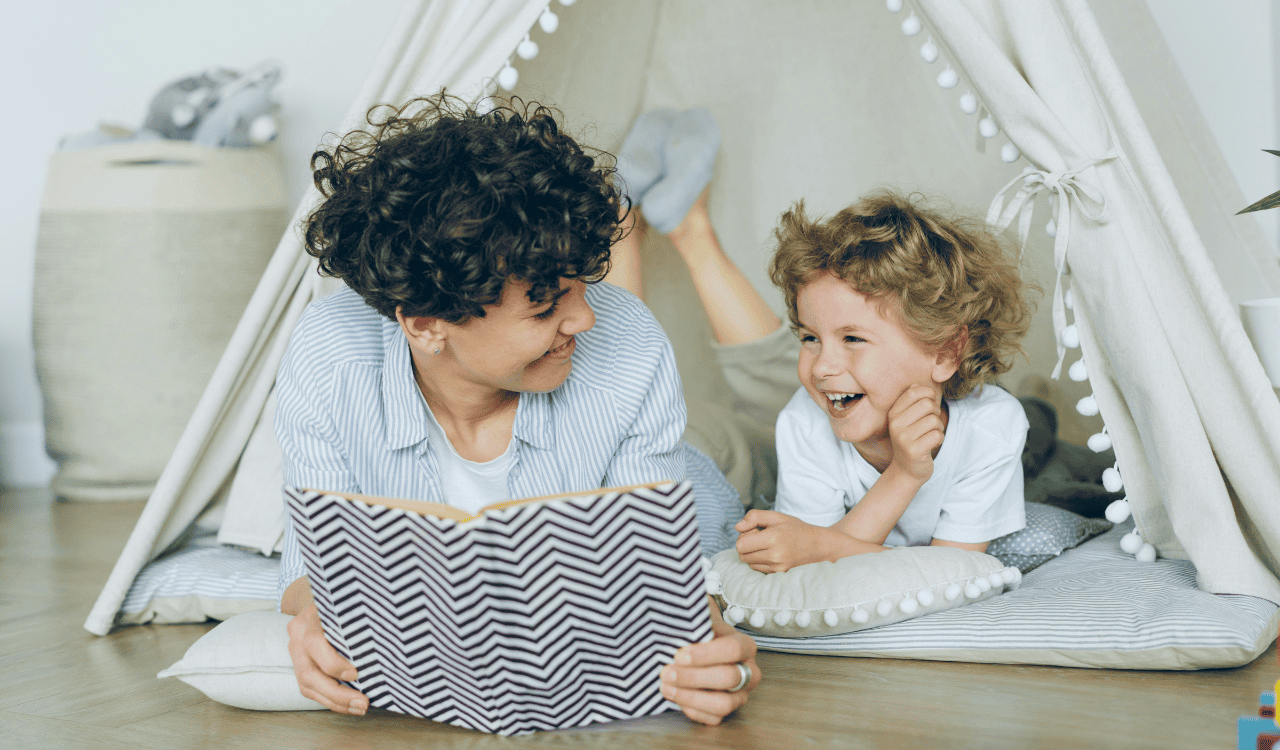
According to occupational therapists, youngsters can improve their gross motor abilities and spatial awareness by creating tangible constructions like blanket forts. Making your living room into a “Cozy Cave” or a “Indoor Campsite” improves the movie-watching experience by creating a feeling of safety and closeness. According to experts, a child’s sense of belonging depends on their ability to snuggle and form emotional bonds, which are naturally encouraged by the physical proximity needed in a fort.
For a solid, enchanted setting, interior designers suggest utilizing clothespins, bulky books, and additional bedding. Adding lanterns or fairy lights inside the fort can produce a “starlight” appearance that resembles a posh private theater, according to the organizers. Instead of handling setup and breakdown as a messy task for the parents alone, professional cleaners suggest keeping a special basket for “fort supplies” so that it becomes an enjoyable, planned aspect of the ritual.
4. The “Democracy” Voting Jar

Experts recommend a democratic selection approach to prevent the typical “scroll paralysis” in which families spend an hour selecting a movie. Put the twelve healthy selections in a jar after writing them down on slips of paper using titles from a reliable source, such as the Treehouse Schoolhouse list. Psychologists claim that letting kids alternately draw the “winning” slip helps them learn how to deal with “fairness” and delayed gratification while also giving them a sense of agency.
According to experienced mediators, this process guarantees that everyone’s interests are ultimately represented and ends disputes. Color-coding the slips according to genre—for example, yellow for “adventure” and green for “animal stories.”—will keep things fresh, according to experts. Because it acts as a consistent, uplifting reminder of the impending family time, industry insiders advise having the jar on display in the living room or kitchen throughout the week.
5. Backyard “Starlight” Cinema
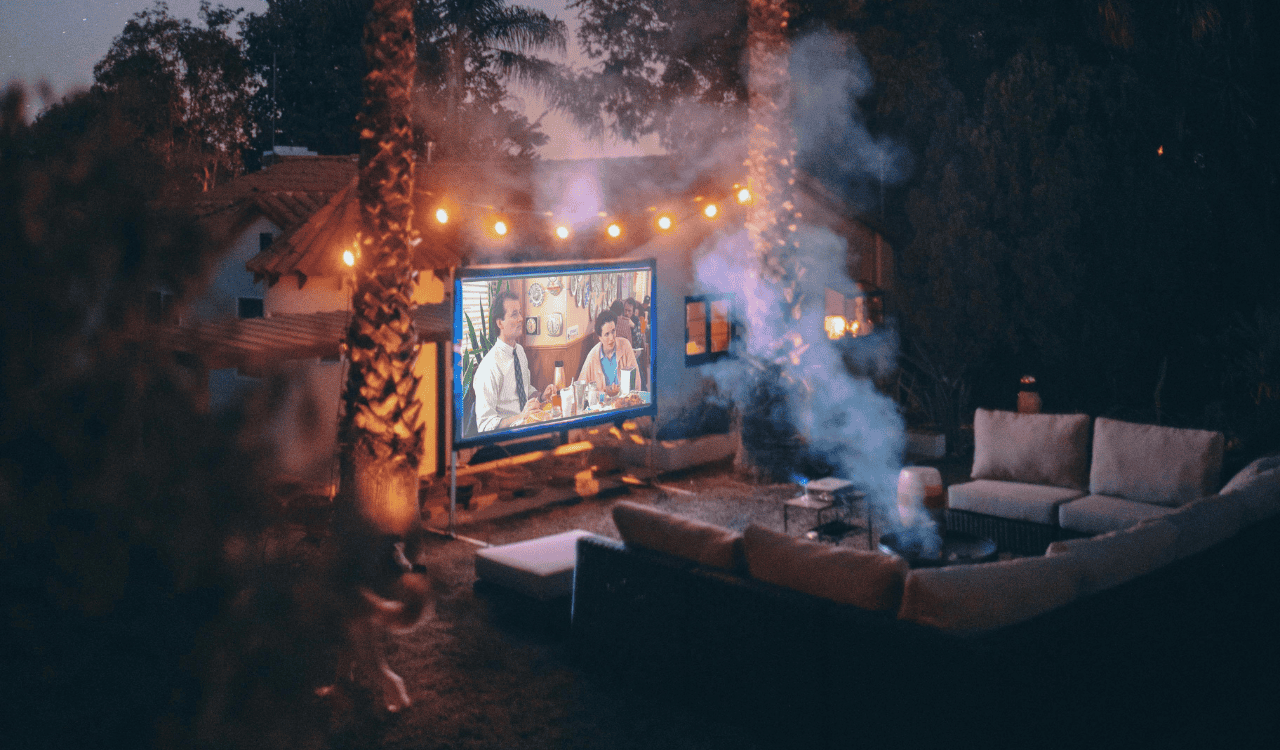
Event planners advise putting the theater outside to create a “festival” vibe if the weather permits. A backyard may be transformed into a movie paradise with just a small projector and a plain white bedsheet. Oversized floor pillows and outdoor rugs may make the grass feel as cozy as a sofa, according to landscape experts. According to experts, the shift in surroundings protects the custom from growing stale and keeps it seeming new.
Safety experts recommend using natural repellents to create a “bug-free zone” and making sure all cords are securely fastened. Serving “camp-style” treats like s’mores or hot cocoa from a thermos enhances the outdoor appeal, according to hospitality experts. According to industry insiders, youngsters will have a memorable, multi-sensory experience when they watch a nature-themed movie like Swiss Family Robinson while they are actually outside.
6. The “Golden Age” Nostalgia Trip
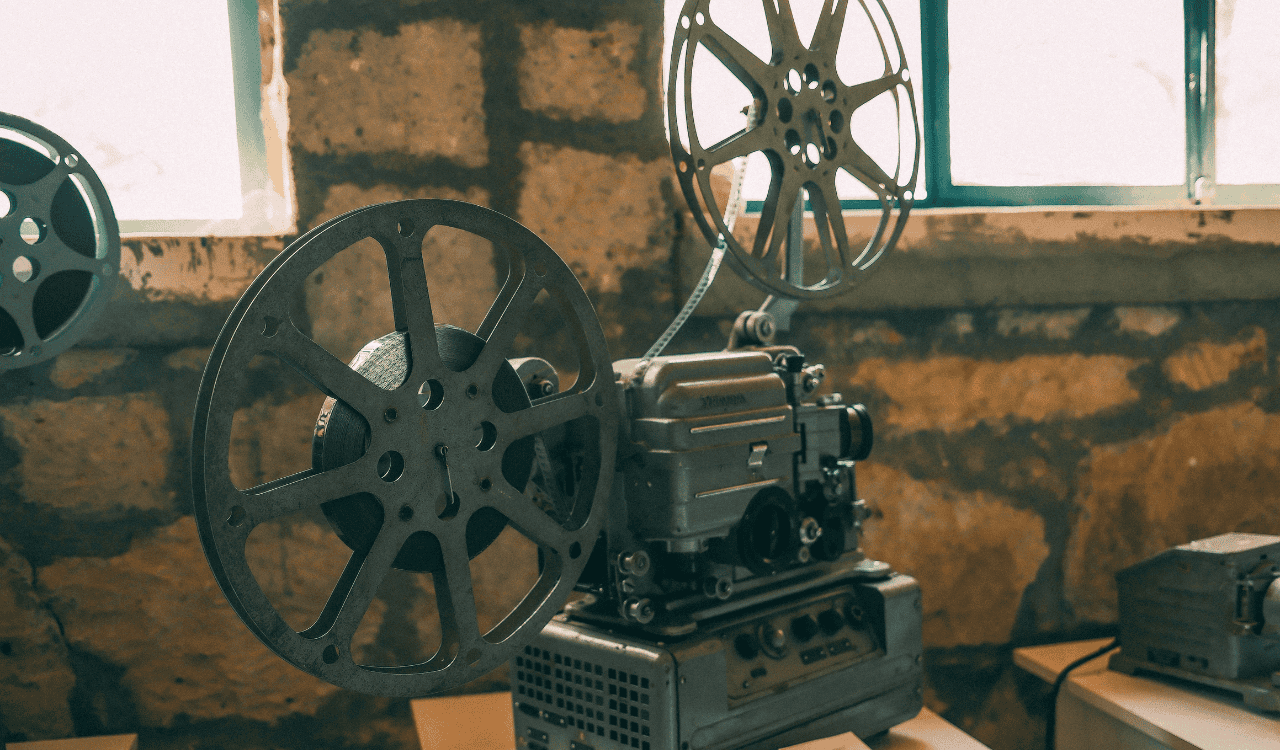
According to media specialists and film historians, if an older film is presented as a “special discovery.” contemporary kids are surprisingly open to it. A child’s enjoyment of art can be broadened beyond contemporary animation by introducing them to a classic from the 1940s or 1950s, such Singin’ in the Rain or The Sound of Music. Teachers claim that these movies frequently go more slowly, which is good for kids’ attention spans in today’s fast-paced digital world.
In order to create a “nostalgic bridge” between generations, experts advise parents to share their own early recollections of these movies. According to expert storytellers, a child’s curiosity in science and art might be piqued by describing how special effects were produced before computers. You give the whole family a moral foundation that is both fun and extremely instructive by emphasizing the everlasting values of bravery and kindness included in these wholesome classics.
7. Pajama Party Trivia & Games

In order to prevent smaller children from getting agitated during a lengthier movie, specialists in child play suggest using “intermission games.” Making a straightforward trivia sheet based on the storyline of the film might make watching it an engaging activity. Children can avoid “screen fatigue” and irritability by taking these little intervals to move their bodies and assimilate what they have seen thus far, according to child psychologists.
Expert organizers advise setting up a “prize basket” with tiny incentives for right responses, such as stickers or coupons to “stay up 15 minutes late” According to experts, these games help kids focus more intently on the plot and the decisions made by the characters. To retain the major emphasis on the happiness of spending time as a family, industry insiders advise keeping the games cooperative and fun rather than competitive.
8. Values & Character Reflection

The post-film discussion is the last and most significant component of a family-friendly movie night. School counselors and psychotherapists suggest utilizing the story as a “safe space” to talk about ideals that apply to everyday life. Experts advise asking open-ended questions like, “When have you felt like you wanted to give up on something?” after viewing a grit-focused movie like Akeelah and the Bee. This aids kids in internalizing the movie’s positive lessons.
Family therapists advise that these conversations should take place during a “wind-down” activity, such as brushing one’s teeth or getting into bed. According to experts, praising a character’s deed of generosity or integrity strengthens your own family’s “moral compass.” According to expert authors, tales are the best method to teach empathy, therefore a carefully selected film from the Treehouse Schoolhouse list can be a potent ally in helping to raise kind and considerate kids.