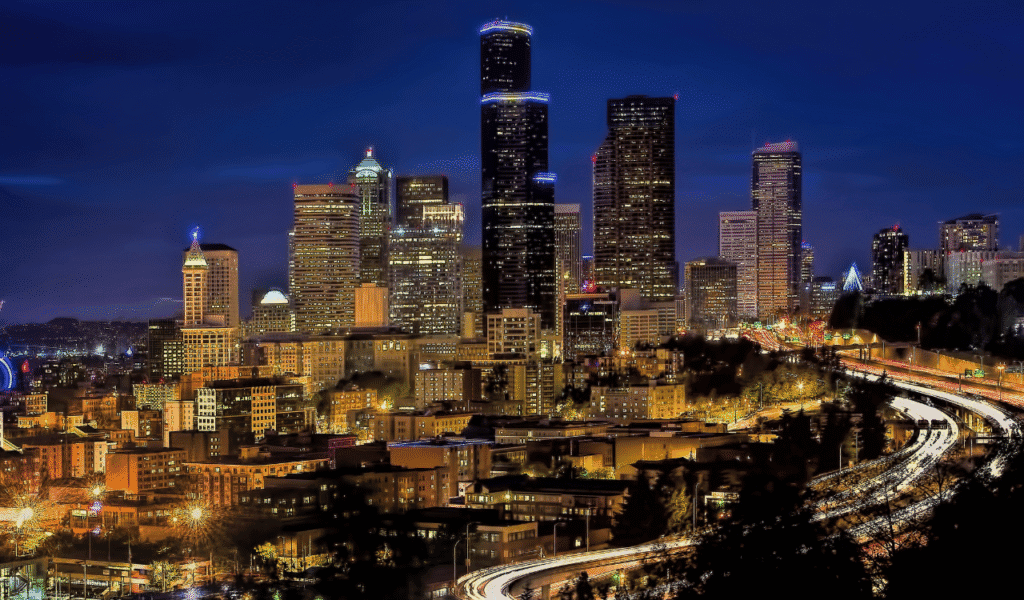
There is a biological explanation for why certain films do not feel “right” until after ten of the clock at night. During the evening, our brains are said to reach a state of increased emotional responsiveness, as stated by researchers in the field of sleep science and psychology. We are more prone to experience “narrative transportation” in the peace and quiet of the night, when the distractions of the day have been removed. This is the sensation of being entirely lost in another world.
Nocturnal Ambiance is a term that is frequently used by film critics and cinematographers to describe this. Directors like as Michael Mann and Nicolas Winding Refn purposefully build their films to take advantage of this phenomenon by employing low-light shooting and ambient music that are designed to simulate the state of the brain when it is at rest. The “night watch” has evolved into a revered ritual for moviegoers who are looking for a more profound experience in the year 2026, when our world is becoming ever louder and more interconnected. Not only are these twelve selections movies, but they are also states of mind that call for the protection of darkness.
1. Lost in Translation (2003)
The masterpiece that Sofia Coppola has created is the epitome of a “nocturnal” film. It follows two lonely Americans (Bill Murray and Scarlett Johansson) who establish a momentary connection in a high-end hotel in Tokyo, which is set in the brilliant, neon-lit expanse of Tokyo. The film, according to the experts, does an excellent job of capturing the “liminal space” that is associated with jet lag and insomnia.
This is the peculiar, floating sensation that occurs when time seems to lose its meaning. The use of natural city light in the video, as stated by trip photographers, generates a sense of intimacy that is almost obtrusive to the viewer.
The conversation is described as being quiet and subtle, and it is said to resonate more strongly when it is seen in silence. Critics praise it for this reason. Due to the fact that it is a movie about the things that are not expressed, it is an ideal companion for a late-night session when the world seems to be little and private.
2. Collateral (2004)
You need not look any further than Michael Mann’s Collateral if you are interested in witnessing a metropolis that has been converted into a character. movie depicts a taxi driver (Jamie Foxx) who is held captive by a hitman (Tom Cruise), and movie was shot nearly exclusively on digital cameras in order to capture the actual grit and glow of Los Angeles at night. According to those with knowledge of the industry, Mann insisted on shooting during the “dead of night” in order to achieve the particular blue color of the Los Angeles sky.
The “gritty-glamour” aesthetic of the picture is best appreciated in a dark setting, when the contrast of the city lights against the shadows may truly pop, according to the advice of cinematographers. The “lonely city” ambiance that the movie has is said to be felt by experts; it beautifully conveys the experience of being surrounded by millions of people while also feeling entirely alone. It has the air of a fever dream and is a high-stakes thriller that is elegant and sophisticated.
3. Only Lovers Left Alive (2013)
Tilda Swinton and Tom Hiddleston play the roles of centuries-old lovers who spend their nights listening to vinyl and walking through the deteriorating neighborhoods of Detroit in Jim Jarmusch’s unique and gorgeous take on the vampire genre. The “slow-burn” tempo and tactile production design of this movie are strong reasons why critics suggest it.
Instead of being a horror film, it is a mood piece that focuses on art, memory, and the struggle to survive. The film, according to those who specialize in the study of relationships, is a fascinating look into long-term friendship, which is depicted through the prism of sophisticated and worn-out devotion. It is recommended that the score, which is a combination of heavy drone and classic rock, be listened to in the evening.
According to the opinions of various experts, the “nocturnal” ideology of the movie, which asserts that the world is more beautiful and honest while the “normals” are sleeping, is extremely appealing to late-night audiences.
4. Drive (2011)

“Drive” is a “neon-noir” ballet that made a significant contribution to the modern action style. Throughout the course of the film, Ryan Gosling portrays an anonymous stunt driver who also works as a getaway driver in a dreamy version of Los Angeles. The picture is recommended by visual directors due to its “saturated” color palette, which is characterized by a major emphasis on pinks, purples, and blues. This color palette creates a hypnotizing eye feast that is most bright when viewed in the dark.
The soundtrack of the movie, which is characterized by ambient synth-pop, is frequently noted by fans as the reason why the movie “hits different” around nighttime. According to the opinions of expert editors, the movie makes use of extended, silent takes in order to generate tension, which enables the audience to experience the protagonist’s stoic mode of thought. It is a voyage into a neon-soaked underworld that is both gorgeous and highly stylized, and it creates the impression of a violent and beautiful encounter.
5. Midnight in Paris (2011)
In contrast to the gloomy and gritty nature of many “night” movies, Midnight in Paris provides an alternative that is inspired by the light of lamps. In the film, Owen Wilson plays the role of a screenwriter who is filled with nostalgia and discovers that he is transported back in time to the 1920s at the stroke of midnight. For its delightful representation of literary legends such as Hemingway and Fitzgerald, all of whom are encountered under the gentle glow of Parisian streetlamps, it is recommended by historians and writers.
Those who are knowledgeable in the field believe that the movie appeals to our universal need for “escapism,” which is typically at its peak late at night, when we are contemplating our own life. Travel bloggers claim that the cinematography catches the “golden hour” of the night, which gives the impression that the city is a rendition of an Edward Hopper picture that has been brought to life. You are encouraged to embrace the mystery of the evening through the medium of this video, which is both humorous and thought-provoking.
6. Nightcrawler (2014)
In the role of Lou Bloom, a freelance videographer who searches the streets of Los Angeles for dramatic incidents to sell to news channels, Jake Gyllenhaal delivers a portrayal that is eerie and eerie. However, when viewed at night, the film feels more like a psychological horror story about a man who is losing his humanity.
Media analysts have advised that the film is a harsh condemnation of media that follows the “if it bleeds, it leads” philosophy. The “nocturnal” setting of the movie has a sleazy and voyeuristic vibe to it. The use of strong, artificial lighting, such as police sirens, automobile headlights, and camera flashes, which cut through the darkness like a knife is one of the reasons that cinematographers favor it.
It is a stressful and unsettling experience to watch, and it does an excellent job of capturing the “underbelly” of a metropolis that never stops moving, which serves as a necessary late-night drama.
7. Eternal Sunshine of the Spotless Mind (2004)
Through the lens of a surreal drama, the anguish of heartbreak and the strength of memory are investigated. Jim Carrey and Kate Winslet portray the roles of a couple who decide to have an operation performed on them in order to remove each other from awareness. It has been discovered by psychologists that the “non-linear” structure of the movie is a representation of the way in which our brains process memories and dreams. This is the reason why the movie is so emotionally impactful when it is viewed immediately before going to bed.
When your personal defenses are down, you will be able to experience the “surreal” visuals of the film, which include houses crumbling, faces disappearing, and landscapes transforming. Critics praise it for its unfiltered emotional honesty, which demonstrates that even a science fiction idea may have a profoundly personal impact. This is the kind of film that sticks with you long after the final credits have rolled, and it frequently colors your own dreams with its beautiful melancholy.
8. Blade Runner 2049 (2017)

Blade Runner 2049 is a visual and aural powerhouse that takes place in a world that is characterized by a constant twilight and a toxic fog. It is a masterpiece that utilizes scale and color to generate a sense of wonder, and visual effects supervisors praise it as a “high-resolution” masterpiece. The depiction of a “lonely future” in the movie is said to be considerably more powerful when it is viewed in the privacy of one’s own home at night, according to the opinions of several experts.
Sound designers have described the score composed by Hans Zimmer and Benjamin Wallfisch as “architectural,” referring to the use of deep, vibrating bass that can be felt in the chest.
The philosophical concerns that are raised in the movie concerning identity and “what it means to be human” are weighty subjects that are best approached with the kind of peaceful reflection that can only be provided by the night. Into the future lies a voyage that is not only lengthy but also gradual and breathtaking.
9. After Hours (1985)
The classic film “lost” directed by Martin Scorsese is a dark comedy that tells the story of a normal office worker whose night in Soho descends into a never-ending nightmare filled with odd characters and bad luck. It is recommended by urban historians that the movie is an ideal time capsule of New York City before it was “cleaned up,” as it captures the chaotic and unpredictable energy of the downtown scene in the 1980s.
The “nightmare logic” of the movie, in which every choice the protagonist makes only leads him further into trouble, is something that a lot of people can identify to when they are in the middle of a “all-nighter.” According to the experts, the film’s frenetic energy is contagious, and it causes you to experience the same sense of urgency to “just get home” as the main character goes through. It is a ride that is not only hilarious but also stressful, and it is only possible for it to take place after dark.
10. In the Mood for Love (2000)
The artistic masterpiece that is “unrequited longing” by Wong Kar-wai is widely regarded as one of the most stunning films that have ever been produced. The story takes place in Hong Kong during the 1960s and unfolds around two neighbors who find out that their wives are having an affair. It is recommended by fashion designers and cinematographers due to its “sumptuous” use of color and texture, which can be seen in everything from the floral outfits to the steam rising from a noodle shop early in the morning.
Experts have stated that the movie is a study in “restraint,” in which even the slightest touch or gaze has a great deal of significance. It is intended that the viewer will be lulled into a mood of romantic sorrow by the eerie and repeated violin melody.
It is a sumptuous, atmospheric experience that celebrates the beauty of “what might have been.” Watching this movie at night is like stepping into a memory; it is a film that celebrates the beauty of past possibilities.
11. Dark City (1998)
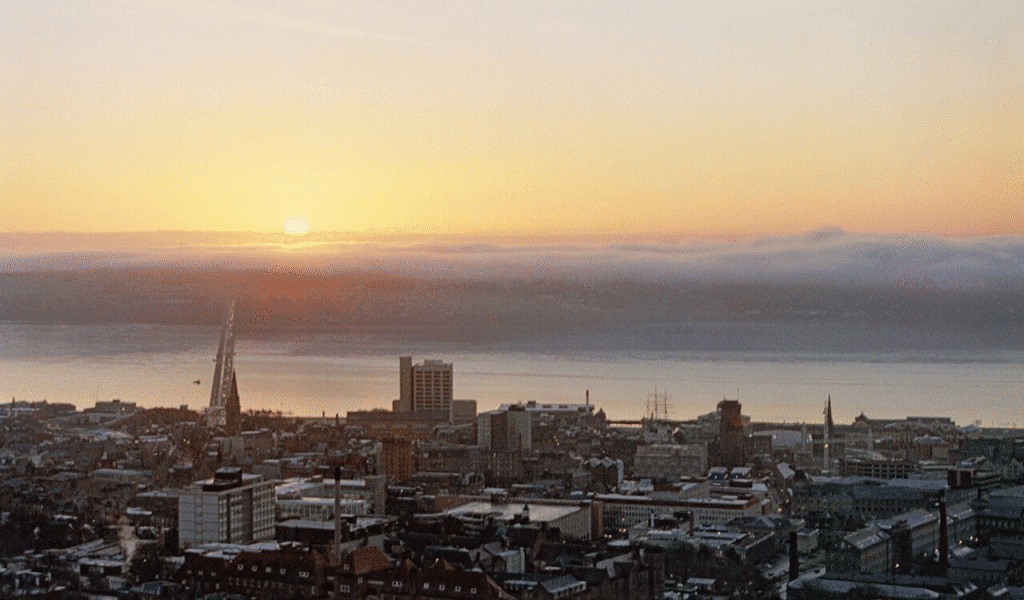
The city of Dark City, which is considered a cult classic in the “no-sun” genre, is set in a city in which the sun never rises and the buildings themselves are always moving. Because of its “Platonic” themes of reality and perception, it is recommended by both philosophers and aficionados of science fiction. The gothic, “noir-on-steroids” look of the picture, according to the opinions of experts, was a significant effect on subsequent films such as The Matrix.
One of the factors that contributes to the film’s “existential dread” atmosphere is the fact that the protagonists are residing in a period of perpetual darkness. As stated by set designers, the “retro-future” aesthetic, which consists of combining fedoras from the 1940s with technology from another world, generates a feeling of “uncanny” dread. After midnight, viewers who are ready to immerse themselves in the mysterious and convoluted universe of the show are rewarded with a visually spectacular enigma.
12. Arrival (2016)
Arrival is about the quiet, laborious effort of communication, in contrast to the majority of movies involving contacts with aliens, which are about spectacle. In the film, Amy Adams plays the role of a linguist who is attempting to communicate with tourists whose understanding of time is profoundly different from our own.
Linguists and cognitive scientists like the movie because it takes a “intellectual” approach to science fiction, concentrating on the ways in which language influences our perception of the world. A sense of tranquility is produced by the film’s “muted” color palette and ambient audio, making it an ideal choice for viewing at all hours of the night.
The “grand reveal” in the movie is said to be an emotional gut-punch that requires a few minutes of silent meditation after an audience member has finished seeing it. The video is one that inspires you to contemplate your own position within the vast and enigmatic history of the universe. It is a film that is profound, profoundly touching, and profoundly hopeful.