Some decisions continue to be notorious, despite the fact that every Oscar season generates discussions.
Film reviewers frequently bring to our attention the fact that awards are influenced by politics, timing, and the power of the industry.
Directors have stated that the Academy fails to recognize groundbreaking artistic work on occasion, which leaves fans feeling unsatisfied.
It has been revealed by editors that these omissions frequently become cultural talking points, which spark heated arguments long after the ceremony has concluded.
Let us take a look back at eight of the most surprising Oscar omissions that continue to wound us to this day.
1. Citizen Kane Losing Best Picture
Despite being universally regarded as the best movie ever produced, “Citizen Kane” lost Best Picture to “How Green Was My Valley” in 1942. Orson Welles’ daring narrative, according to critics, permanently changed the film industry.
The film’s inventive cinematography, particularly its use of deep focus and non-linear narrative, is emphasized by the directors. These methods have impacted generations of filmmakers, according to editors.
As a master class in character complexity, screenwriters advise reading Kane’s multi-layered script. Its structure and dialogue are still unrivaled in film schools.
Producers claim that William Randolph Hearst’s campaign against Welles had an impact on the Academy’s decision. Artistry was eclipsed by politics.
This snub, which dominated award debates for decades, is still viewed by fans as the pinnacle of Oscar injustice.
2. Saving Private Ryan Losing to Shakespeare in Love

The intense D-Day scene in Steven Spielberg’s “Saving Private Ryan” astounded many. According to critics, it was a historic war movie because of its emotional depth and technical mastery.
Spielberg’s brutal realism, which raised the bar for war films, is praised by cinematographers. Its tempo and ferocity are still unrivaled, according to editors.
However, “Shakespeare in Love” won Best Picture in 1999. Producers contend that Harvey Weinstein’s vigorous campaigning was a major factor.
The Academy’s decision, according to directors, prioritized attractiveness over grit and reflected politics over artistic. “Ryan” is recommended by screenwriters as a study in war narrative.
This is one of the most contentious Oscar choices since fans still contend that “Saving Private Ryan” should have won the prize.
3. Brokeback Mountain Losing Best Picture
The revolutionary love tale “Brokeback Mountain” by Ang Lee was praised as a cultural turning point. Its nuanced speech and emotional restraint won accolades from critics.
It is regarded among screenwriters as a masterwork of intimacy writing free of clichés. Editors draw attention to its nuanced performances and understated strength.
However, it lost Best Picture to “Crash” in 2006, surprising viewers everywhere. The Academy was not prepared to accept its progressive message, according to producers.
“Brokeback” stretched boundaries in Hollywood representation, according to the directors, which makes its demise even more devastating. Its legacy surpasses its award record, according to film reviewers.
This is still regarded by fans as one of the most devastating Oscar snubs ever.
4. Do the Right Thing Ignored for Best Picture Nomination
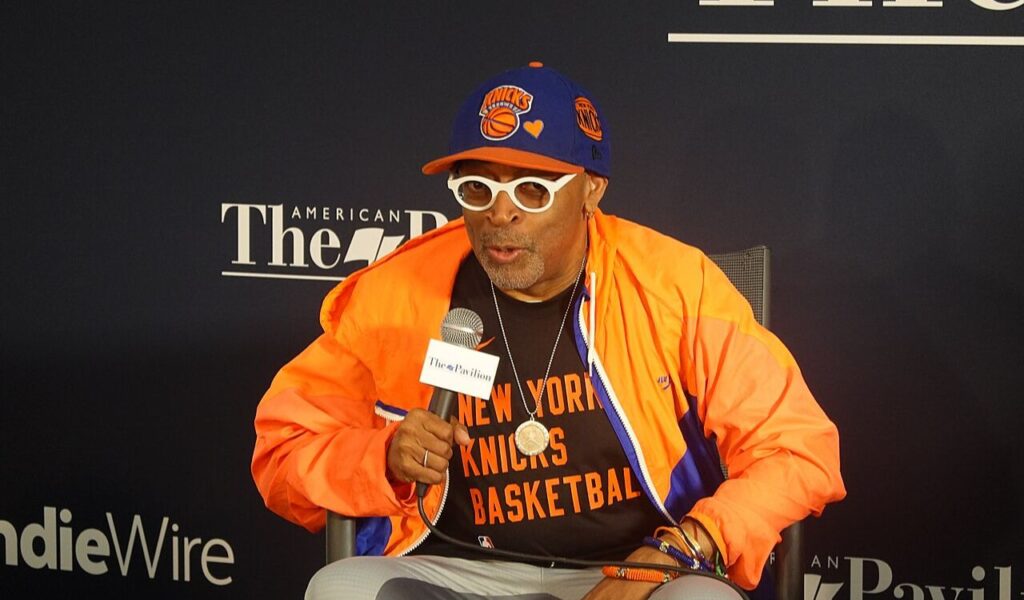
One of the most significant movies about racism in America is “Do the Right Thing,” directed by Spike Lee. Its lively manner and pressing subjects, according to critics, made it unforgettable.
The Academy preferred safer material, such as “Driving Miss Daisy,” according to editors. Producers contend that this demonstrated Hollywood’s apprehension about daring racial tales.
Directors claim that by fusing humor, suspense, and social commentary, Lee’s storytelling subverted conventions. For unadulterated authenticity, screenwriters advise examining its dialogue.
The exclusion revealed the Academy’s racial and cultural blind spots, according to film critics. Over time, the film’s significance has only increased.
Supporters continue to claim that this rejection denied a masterpiece the credit it deserved.
5. The Dark Knight Shut Out of Best Picture
With its brutal realism and Heath Ledger’s iconic Joker, Christopher Nolan’s “The Dark Knight” revolutionized superhero movies. According to critics, it turned comic book films into serious motion pictures.
Its precise pace and multi-layered themes, which combine blockbuster spectacle with moral subtlety, are highlighted by editors. Because of its insightful dialogue and rich narrative, screenwriters suggest it.
However, it was not nominated for Best Picture in 2009, which infuriated many. The Academy expanded the Best Picture category to ten nominees as a result of this rejection, according to producers.
Filmmakers claim that Nolan’s vision changed Hollywood’s perception of genre movies by demonstrating that blockbusters could be works of art. Critics contend that it merited praise in addition to Ledger’s victory.
This is still remembered by fans as a watershed in Oscar history that permanently altered the rules.
6. La La Land’s Best Picture Mix-Up
In 2017, “Moonlight” was declared the winner after “La La Land” was accidentally declared the Best Picture. Both films were worthy, according to critics, but the confusion obscured the artistic merits.
The stunning images and musical tribute to Hollywood legends in “La La Land” are highlighted by cinematographers. Editors explain that its colorful look perfectly encapsulated the enchantment of film.
Directors claim that by fusing nostalgia with contemporary flair, Damien Chazelle’s work mirrored Hollywood’s surreal charm. Because of its melancholy love narrative, screenwriters suggest it.
Producers feel that one of the most notorious Oscar moments ever was the turmoil around the announcement. The incident detracted from the movie themselves, according to critics.
One error may define Oscar history, as evidenced by the fact that fans continue to discuss the mix-up more than the artistic merits.
7. Goodfellas Losing to Dances with Wolves
“Goodfellas,” directed by Martin Scorsese, is regarded by many as one of the best gangster movies ever produced. Its dynamic style and incisive editing, according to critics, set new benchmarks.
Editors explain that Scorsese’s narrative and quick cuts were revolutionary, influencing contemporary crime dramas. Because of its incisive dialogue, screenwriters suggest it.
However, “Dances with Wolves” won Best Picture in 1991. Producers contend that sweeping epics were preferred by the Academy over realistic realism.
The directors claim that “Goodfellas” depicted mob life with unparalleled veracity, making its demise puzzling. Its influence outlasted its rival by a wide margin, according to critics.
This decision, which characterized Scorsese’s Oscar journey, is still debated by fans as one of the Academy’s biggest mistakes.
8. Eternal Sunshine of the Spotless Mind Overlooked

One of the most innovative movies of the 2000s, according to reviewers, is “Eternal Sunshine of the Spotless Mind,” directed by Michel Gondry. Screenwriters praise it for its masterful examination of love and memory.
Editors praise its inventive visual narrative, which combines emotional nuance and surrealism. Cinematographers claim that its surreal vision is still recognizable.
Despite winning Best Original Screenplay, it was not nominated for Best Picture in 2005. Producers contend that genre-bending movies were underappreciated by the Academy.
Directors claim that Gondry’s surrealist aesthetic pushed the boundaries of mainstream filmmaking, making its exclusion conspicuous. Filmmakers are still inspired by it, according to critics.
Fans continue to believe that this rejection deprived a masterpiece of its due credit, solidifying its cult reputation.