A great home cinema should feel like an escape the moment you walk in. The best ones do not scream “equipment”; they quietly build anticipation, then let the film do the talking.
Start With the Mood, Not the Machinery
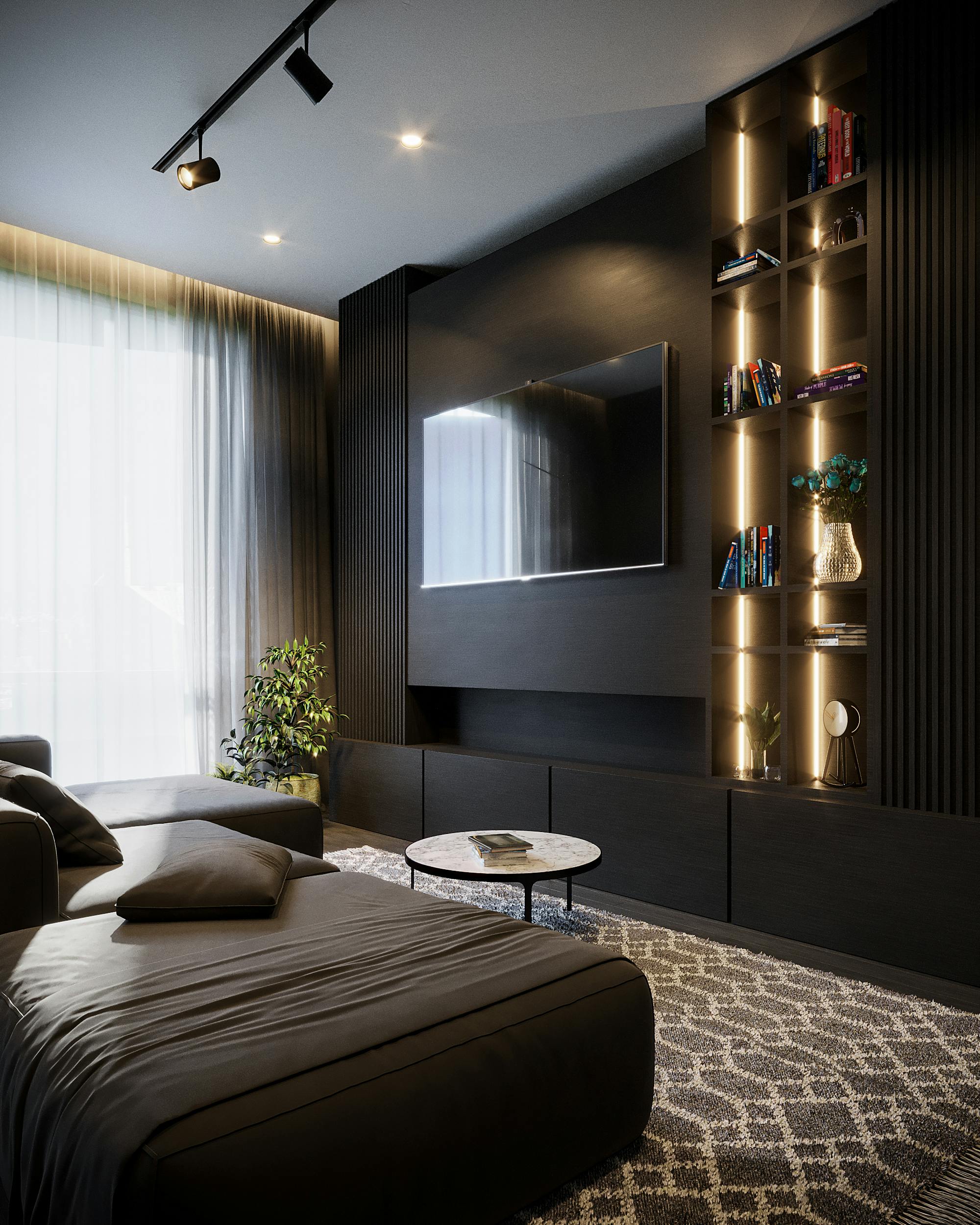
The smartest home cinema designs begin with a simple question: what should this room feel like? That is the point designers repeatedly stress, and it is the reason the best cinema rooms never look like a pile of expensive hardware dropped into a spare room. Some people want a moody, cocooning retreat with deep charcoal walls and velvet seating. Others want a polished media lounge that works for movies, sports, gaming, and relaxed family time without feeling overly theatrical.
That early mood decision shapes every visual choice that follows. Arendal Sound’s design guidance is especially strong on this point: a cohesive theme keeps the room from becoming visually noisy. In practical terms, that means choosing whether your room leans classic cinema, modern minimalist, boutique hotel, retro screening room, or understated luxury lounge. Once that identity is clear, your seating, wall finishes, lighting trims, cabinetry, and even speaker grilles start working together instead of competing for attention.
This is also where many expensive mistakes are avoided. Rodrigues Interiors makes the case for a pre-design planning stage before anyone starts buying projectors or recliners, and that advice holds up beautifully. A room built mainly for blockbuster movies needs a different emotional tone than one used equally for cartoons at 9 a.m., football on Sunday, and console gaming at midnight. The aesthetic brief should match the actual lifestyle brief.
A useful rule is to choose one leading style and two supporting notes. For example, “contemporary dark luxury” might be the lead, supported by “soft acoustic texture” and “subtle cinema nostalgia.” That could translate into ribbed wall panels, bronze trim, dimmable sconces, and framed vintage posters in restrained black frames. The result feels intentional, not themed to death. A home cinema looks expensive when everything belongs to the same visual sentence.
Choose a Room Shape That Helps the Look and the Sound
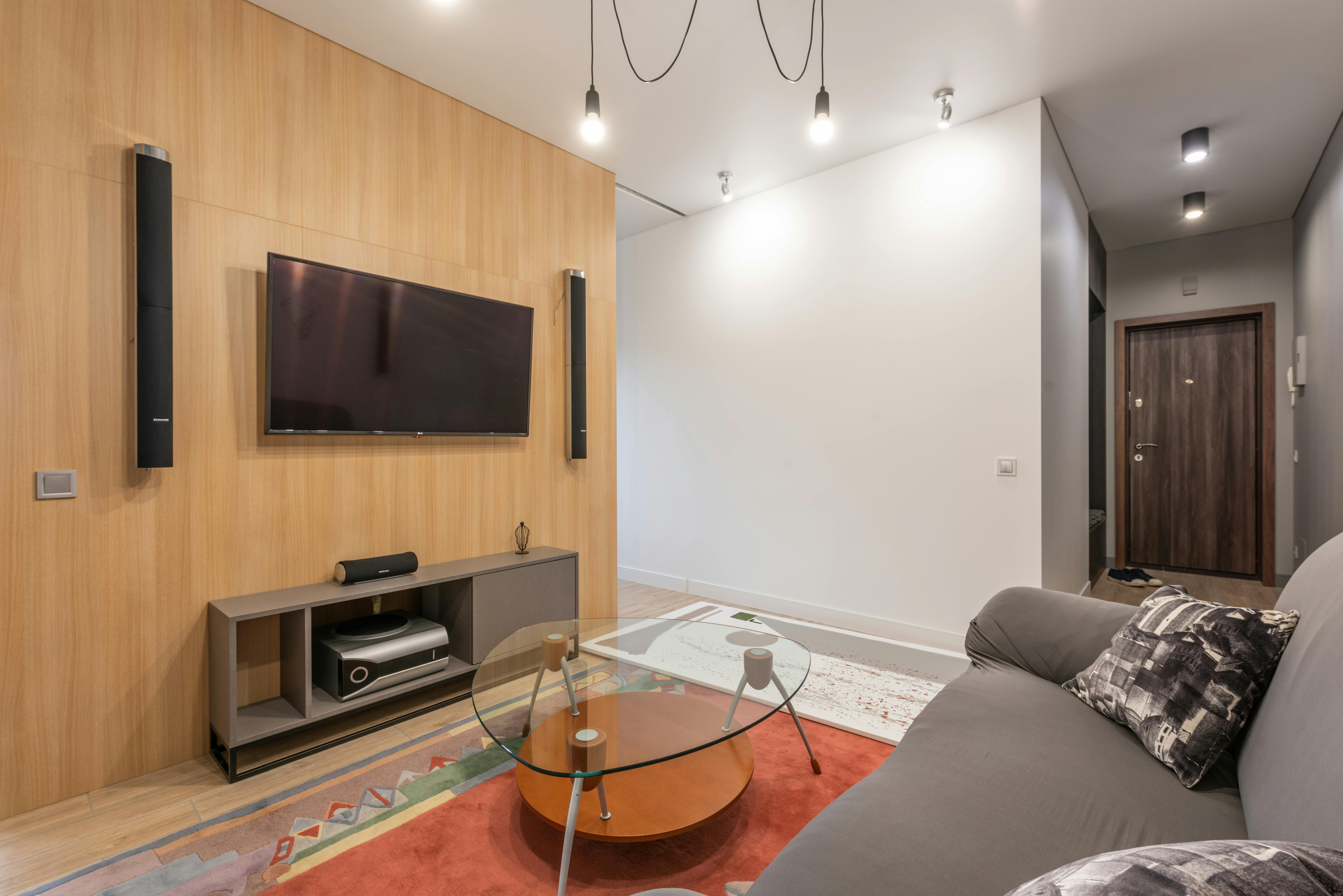
Aesthetic success in a cinema room starts earlier than paint and seating. It starts with the shell. Several professional design guides recommend rectangular rooms over square ones because square spaces tend to produce more problematic sound reflections and standing waves, which can hurt the sense of effortless quality. Finite Solutions explicitly warns against square rooms for this reason, and CEDIA showcase projects frequently highlight reshaping awkward rooms to improve acoustic performance and symmetry.
That matters visually as much as sonically. A rectangular room is easier to compose. It gives you a natural focal wall for the screen, cleaner symmetry for speaker placement, and better options for centered seating. Symmetry is one of the secrets of luxury interiors because the eye reads it as calm and expensive. Even if guests do not know why the room feels “right,” they respond to balanced proportions, aligned sightlines, and a screen that looks perfectly anchored rather than squeezed into an awkward corner.
You do not need a mansion, either. Rodrigues Interiors points out that even a room around 3m x 3m can become a cozy cinema for 2-4 seats with a large OLED or ultra-short-throw setup. CEDIA’s more attainable reference examples also show that spare rooms around 4.5 x 5m can become convincing cinema spaces when scale is managed properly. The key is designing to the room you have, rather than forcing a commercial-cinema fantasy into domestic proportions.
If you are working with a basement, loft, or converted garage, lean into the architecture instead of apologizing for it. A low ceiling can feel intimate and enveloping when finished in dark matte tones. A long narrow room can become wonderfully cinematic with a disciplined central axis and layered lighting. If the room is irregular, consider correcting the visible geometry with acoustic wall systems, drapery, or custom joinery. Some of the best cinema aesthetics come from rooms that were originally compromised but were visually simplified until they felt deliberate.
Color, Texture, and Surface Finish Do More Than Decorate
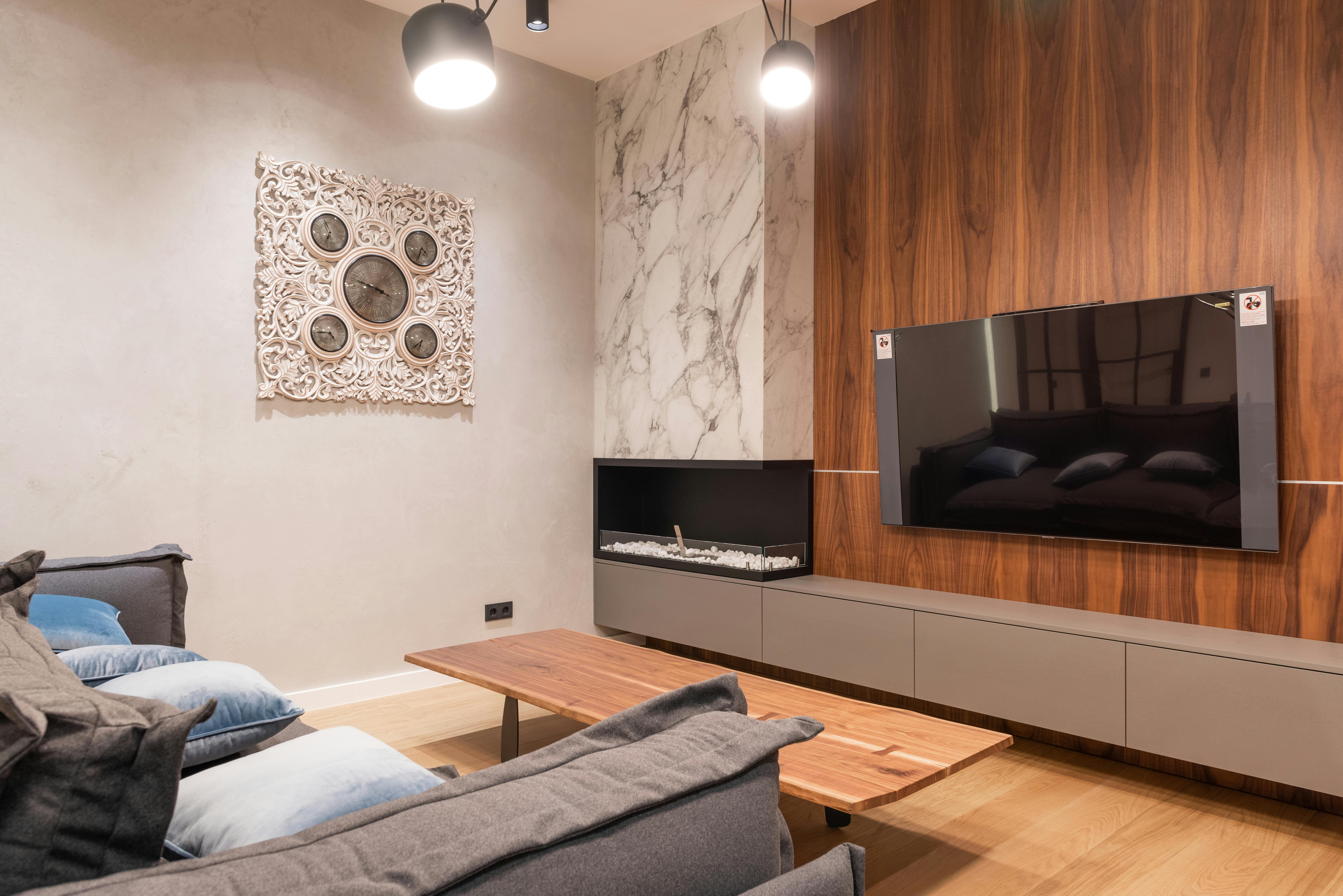
The most effective home cinema palettes are usually quieter than people expect. Darker tones remain the gold standard because they reduce visual distraction and help projected or displayed images feel richer. Both specialist design firms and Dolby’s setup guidance emphasize light control as a core ingredient of the theater experience. That is one reason blacks, charcoals, espresso browns, muted navy, and deep olive continue to dominate serious cinema rooms. They recede, and when walls recede, the screen takes over.
But darkness alone is not enough. Texture is what keeps a cinema from feeling flat, cave-like, or unfinished. Soft matte paints, acoustic fabric walls, suede-like panels, bouclé ottomans, wool rugs, and ribbed timber details all absorb light differently and make the room feel layered. This is where aesthetics and performance become best friends. Finite Solutions and Custom Controls both point to fabric walls and acoustic treatments as practical solutions, but visually they also add softness and polish that plain drywall cannot match.
Gloss is usually the enemy unless used sparingly. Reflective surfaces bounce screen light around the room, which weakens contrast and breaks immersion. A good cinema aesthetic prefers low-sheen finishes, smoked metals rather than mirror chrome, and cabinetry that disappears into the architecture. If you want luxury, think tactile, not shiny. A velvet panel reads richer than a lacquered panel because it contributes to the hush of the room rather than pulling attention away from the image.
One clever modern move is to create contrast through material depth instead of bright color. Imagine charcoal walls, blackened oak slats, bronze trim, and tobacco leather chairs. It is restrained, but not boring. If you prefer a lighter media-room look, keep the screen wall darkest and let the rear of the room soften slightly. This preserves image performance while making the room feel more integrated with the rest of the house. The best palettes understand that cinematic drama comes from controlled contrast, not visual clutter.
Lighting Is the Hidden Luxury Layer
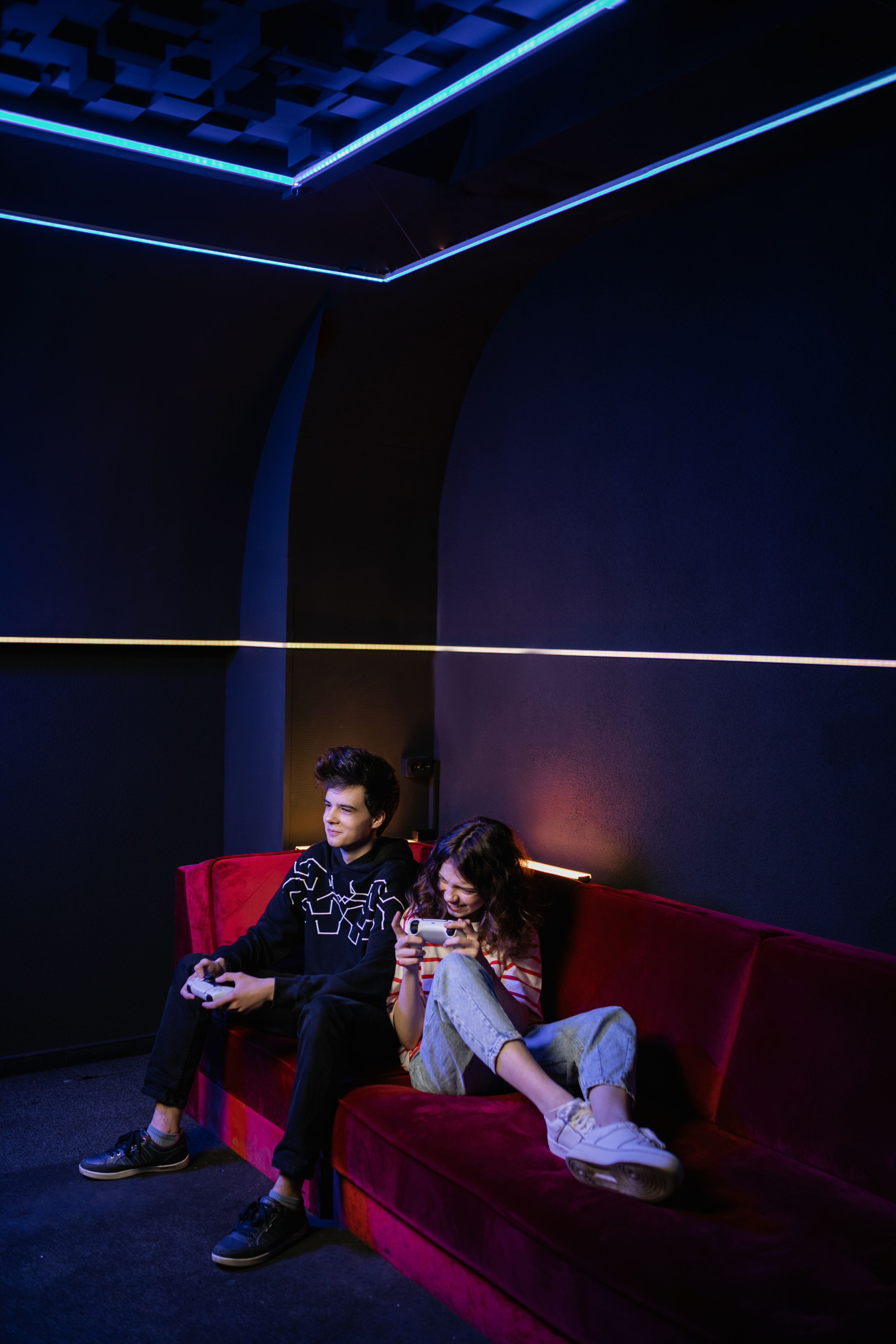
Lighting is where an ordinary media room becomes a proper cinema atmosphere. Done badly, it ruins image quality and makes the space feel harsh. Done well, it creates ceremony. Dolby recommends blackout solutions and dimmable lighting for the best experience, and that advice is just as important aesthetically as it is technically. A room that transitions gracefully from “arrival” to “trailers” to “feature presentation” feels elevated because the light itself is choreographed.
Layering is the secret. Instead of relying on one ceiling fixture, break the room into lighting zones: pathway lights near the floor, dimmable sconces along the side walls, soft cove lighting at the ceiling perimeter, and subtle task light near a bar or snack ledge. Each layer should have a purpose. Floor lighting guides movement without polluting the screen. Sconces provide pre-show glow and visual rhythm. Cove lighting gives the architecture shape. Together, they make the room feel immersive before anything starts playing.
Smart control matters here. Samsung’s recent premium TV messaging around integrated smart-home ecosystems reflects a broader truth in high-end cinema spaces: convenience is part of the luxury. One-touch scenes that lower lights, close blackout shades, and power the system make the room feel bespoke. Hidden motorized shades are particularly valuable in mixed-use rooms, because daylight control is one of the biggest differences between a stylish lounge that can show a movie and a room that genuinely feels cinematic.
Aesthetically, lighting fixtures should support the room rather than dominate it. Choose trims, sconces, and switch plates that disappear into the palette. Warm color temperatures generally flatter dark materials and skin tones, making the room feel richer and more welcoming. Avoid cold white light unless you enjoy the atmosphere of a high-end parking garage. In a cinema, the glow should feel intimate, not clinical. The room should whisper “settle in,” not “interrogation begins.”
Seating Should Anchor the Room, Not Overwhelm It
People often obsess over screens first, but seating is what determines whether the room looks inviting or overbuilt. The right seats establish the rhythm, scale, and emotional center of the room. Plush recliners can be wonderful, but only when they fit the architecture. Oversized commercial-style chairs in a modest room can make the whole space feel cramped and slightly cartoonish. A cinema should look comfortable at a glance, not as if it was furnished by a spreadsheet.
Sightlines still matter, of course. THX room guidance ties viewing experience to room volume and distance, with examples around 10 feet for THX Certified Select systems and about 12 feet for larger THX Certified Ultra spaces. That does not mean every room should copy those exact numbers, but it does reinforce an important visual principle: seating should feel proportionate to the screen and room depth. If the front row is too close, the room feels aggressive. Too far, and it loses intimacy.
There is also no rule saying every cinema must use rows of motorized recliners. Some of the most attractive current rooms mix formats: a hero sofa in the main row, swivel lounge chairs behind, a daybed platform for kids, or a slim rear bar with stools. CEDIA case studies on dual-purpose media rooms show how successful this can be, especially when joinery hides equipment and the room still reads as a refined lounge by day. Flexibility often creates a more elegant aesthetic than strict theater mimicry.
Details matter enormously. Upholstery should echo the room palette, with enough contrast to define the furniture without making it pop unnaturally. Integrated cupholders are useful, but illuminated blue plastic ones can destroy the mood in seconds. Arm widths, stitching, seat backs, and leg design all contribute to whether the furniture feels custom or generic. In a truly polished cinema, the seating looks chosen by an interior designer and approved by a film obsessive. That balance is exactly the goal.
Hide the Technology, Showcase the Experience
The most luxurious cinema rooms rarely advertise how much gear they contain. They feel seamless because the technology has been visually disciplined. That means concealed cabling, carefully integrated speakers, flush grilles, hidden racks, and joinery that treats electronics as architecture rather than clutter. Custom Controls notes how far home cinema has come, from visible boxed speakers and plasma displays to large screens with hidden speakers. That evolution is aesthetic as much as technical.
This is especially important because modern systems are increasingly capable. Dolby’s home theater guidance recommends up-to-date HDMI 2.1-capable AV receivers for 4K UHD and Dolby Atmos systems, and its speaker setup resources emphasize balanced placement around a central seating position. Yet the visual lesson is simple: technical complexity should not create visual complexity. Speakers can be freestanding and beautiful, but many rooms benefit from acoustic fabric walls, in-wall placement, or cabinetry that reduces visual busyness.
Display choice also affects the room’s look when the screen is off. Large OLED televisions have become more aesthetically attractive because they are slim, dark, and architectural. Samsung has promoted glare-reduction technology in its premium OLED range, which matters in real homes where ambient light exists. For dedicated dark rooms, projection still brings unmatched scale, and Sony’s native 4K home-theater projection line continues to represent the classic “big screen” ideal. The decision is not just picture quality; it is whether you want the wall to behave like a design object or disappear entirely.
Room correction and calibration deserve a place in the aesthetic conversation too. Dolby recommends periodic recalibration, and Dirac positions its room-correction software as a way to optimize systems for the actual room. Why does that matter visually? Because when the sound image locks properly to the screen, the room feels more believable. You stop noticing hardware and start believing sound is coming from the world on screen. That illusion is one of the most powerful aesthetic effects a home cinema can create.
Finish With the Details That Make It Feel Personal
The final layer is what turns a polished room into a memorable one. This is where personality enters without breaking the discipline of the design. Thoughtful accessories, a curated snack station, framed film art, a sculptural side table, or a beautifully integrated record of the owner’s favorite directors can all enrich the room. Arendal Sound is right to emphasize functional decor: the best finishing touches are not random ornaments but objects that support the cinema ritual.
This is also where softness should be edited carefully. Rugs, throws, and cushions can make the room warmer and improve acoustics, but too many casual accessories dilute the cinematic mood. Aim for hospitality, not clutter. A wool area rug in a deep tonal pattern can ground the seating and help absorb reflections. Heavy drapery can enhance both blackout performance and visual richness. A concealed snack drawer or rear credenza feels far more elegant than leaving visible packaging and devices everywhere.
Real-world case studies from CEDIA frequently show that “wow factor” comes from restraint paired with one memorable move. That move might be a dramatic coffered ceiling, a curved acoustic wall, a bronze-trimmed bar niche, or motorized masking on a widescreen display. In one luxury showcase, the room-within-a-room construction and comprehensive acoustic treatment were invisible to the casual eye, yet they enabled the space to feel astonishingly immersive. The lesson is clear: hidden sophistication beats obvious excess.
If you want the room to age well, avoid decorating around only one franchise, one trend, or one moment in tech culture. Build around timeless cinematic cues instead: darkness, comfort, symmetry, texture, and anticipation. Then personalize with art, scent, favorite materials, and a ritual of use that suits your life. The ultimate home cinema aesthetic is not about pretending your house is a multiplex. It is about creating a room so coherent, calm, and absorbing that once the lights fall, the outside world disappears.