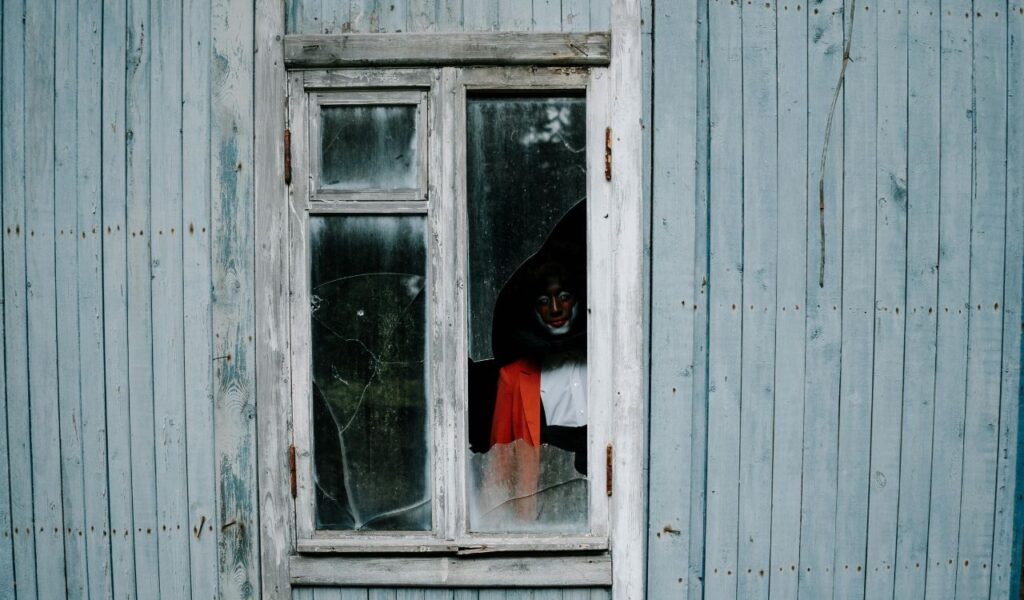
The supernatural often takes place in the home, which film psychology specialists say is the most vulnerable location a person can be.
Monster movies exploit external threats, but haunted house flicks subvert one’s own home. Behavioral scientists say the “uncanny valley” of a familiar home turning hostile causes severe cognitive dissonance.
Psychological tension lasts longer than the shock of a creature feature, lasting long after the credits roll and the viewer returns to their darkened corridor.
Film historians believe haunted home stories succeed because they are grounded in fact. Horror film designers employ doors, basements, and mirrors to lock viewers in a relatable nightmare, according to architects.
A haunted house absorbs its residents, unlike a monster, which may be destroyed or outrun, say experts. Industry insiders say this change from “predator” to “prison” makes the subgenre a recurring choice for bone-chilling experiences.
1. The Subversion of the Domestic Sanctuary
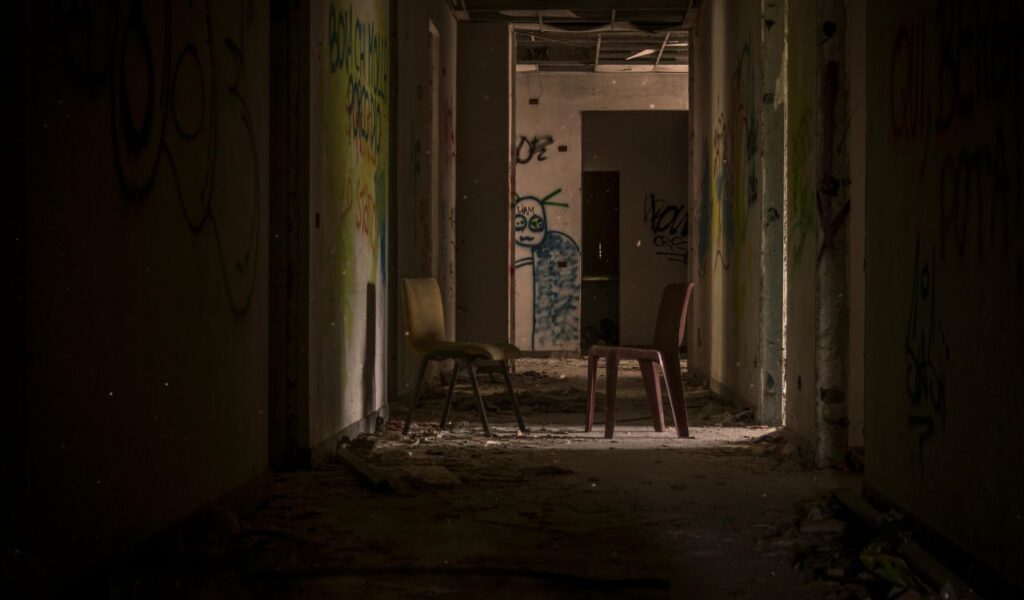
Haunted house movies destroy the safety and privacy of the home, which is universally felt.
Psychologists think these films’ main horror derives from violating the “safe zone.” According to human behavior specialists, when our protective barriers harbor threats, the brain enters a state of high alert that is hard to switch off.
The sound of a cracking floorboard in a movie is scarier than a gigantic lizard since we may hear it tonight.
Film set interior designers say the best horror movies use “normal” decor to hide the otherworldly. The filmmakers bridge fantasy and reality by making the setting look like a family home.
This familiarity makes subsequent hauntings feel intimate and invasive, say experts.
Sociologists say the dread of one’s house turning against them is a basic concern tied to losing control over one’s environment, making it stronger than an external monster.
2. The Power of the Unseen Presence
While haunted house films exploit uncertainty, monster movies use “the reveal,” in which the entity is exposed.
According to suspense specialists, the human mind is capable of producing more terrifying images than CGI or prosthetics.
According to seasoned horror filmmakers, “less is more” compels audiences to put their own anxieties in the background. Every theatergoer has a different terrifying experience as a result of this psychological connection.
When there is no obvious enemy, the threat feels constant, according to paranormal specialists who help with screenwriting. Something intangible cannot be avoided.
According to experts, being afraid of “what might be there” causes greater stress than actually seeing a predator. According to neurologists, watching a movie of a haunted house keeps the amygdala active since it is unable to concentrate, which prolongs and intensifies fear.
3. Fear of Repressed History and Secrets
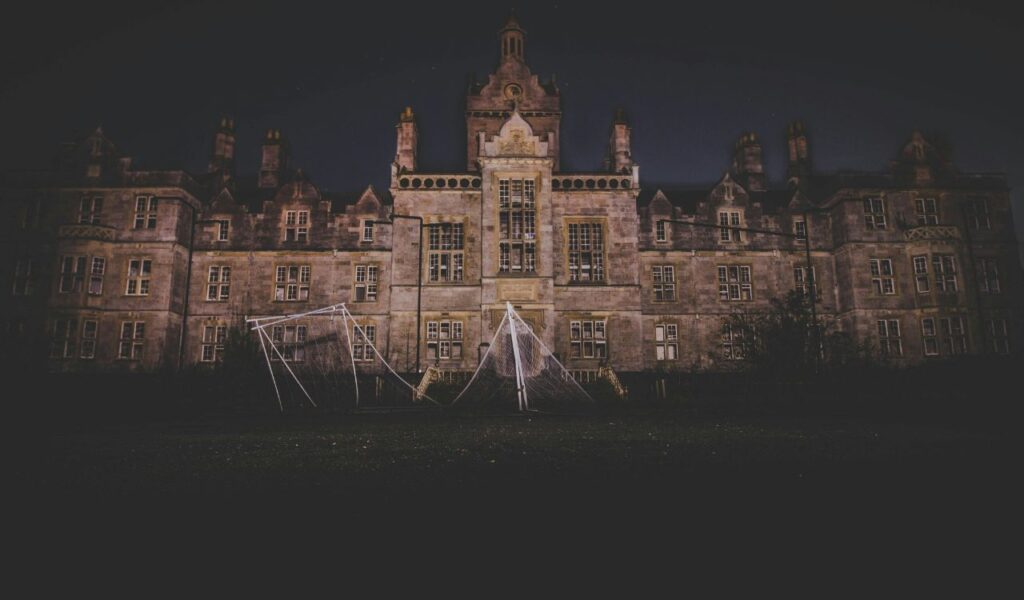
Haunted house movies often feature “blood in the walls,” where the house holds prior horrors. Genre historians say these films exploit our shame and dread that the past is never truly gone.
Ghosts are moral or psychological threats, whereas monsters are biological, according to experts. Literary consultants say the house symbolizes the mind, and the basement and attic the subconscious, where secrets are kept.
Sociologists say these films generally address familial histories and inherited trauma, whereas monsters rarely do. The “haunting” often indicates unresolved grief or past atrocities, according to experts.
Cultural critics say this adds intellectual dread to visceral horrors. In addition to being injured, we fear being judged by the past.
This thematic complexity makes the terror feel meaningful and founded in human experience, not merely jump scares.
4. The Violation of Physical Boundaries
While the struggle in a monster movie is usually about keeping the beast “out,” in a haunted house movie, the threat is already “in.”
According to architectural experts, these films take advantage of a building’s construction flaws, like flimsy walls and closed doors that provide little defense.
Safety consultants claim that a claustrophobic reaction is triggered when one realizes that there is no way out of one’s own property. Experts say a house becomes a trap when it stops being a haven.
Security specialists who analyze horror scenarios say the most terrifying times occur when house rules change.
A hallway that goes on forever or a door that opens into an odd setting disrupts the viewer’s spatial orientation. This “spatial gaslighting” damages the viewer’s confidence in their own senses, which psychologists say makes it more powerful than a monster’s roar.
These films produce a sensation of powerlessness that is considerably more intense than the anxiety of a physical conflict because they distort the real world.
5. Relatability and Economic Anxiety
Real-world economic anxieties are often reflected in haunted home movies about a new mortgage or an inherited estate.
Financial analysts say many people’s home is their biggest investment and most important connection to the world.
Social historians say the worry of spirits making a dwelling “uninhabitable” is similar to the dread of property devaluation or structural problems.
According to experts, the characters typically stay in the house because they cannot afford to leave, adding heartbreaking realism.
These “blue-collar” horror stories resonate because they reflect the common person’s difficulties, say cinema marketing specialists.
According to realtors who have worked with “stigmatized properties,” home history is a cultural curiosity. A film that blends the dread of the supernatural with financial ruin generates a powerful “double threat,” according to experts. The monster is merely a monster, but a haunted house represents a lost life and future.
6. The Lingering “After-Effect” in the Dark
Movies about haunted houses are the experts in “after-burn.” Sleep scientists claim that the brain can easily ignore the threat after seeing a scary movie.
But after watching a haunted house movie, every sound in the house becomes a possible sign.
In order to find supernatural meaning in ordinary occurrences like a cooling radiator or settling foundation, researchers say the brain’s pattern-recognition machinery goes into overdrive.
Ghost stories are more likely to cause viewers to lock their doors or leave a light on than alien invasion movies, according to home security experts.
According to experts, the film “contaminated audiences with thoughts about the paranormal. Expert organizers claim that the mess and depressing nooks of a real home best capture the film’s lasting effects.
Because they may follow viewers into their own spaces, haunted home movies are the scariest.
7. The Complexity of the Malevolent Environment
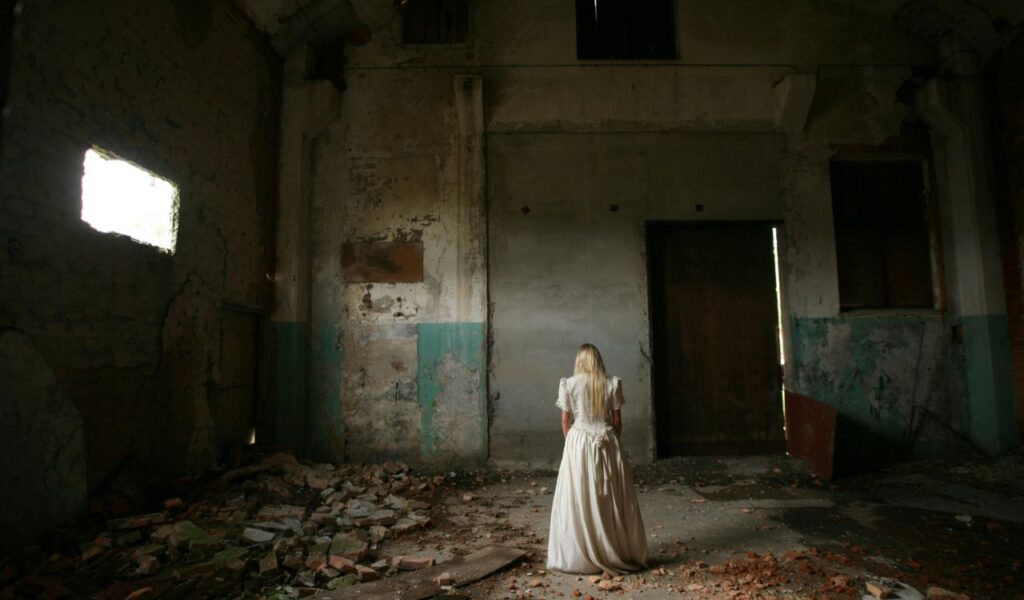
In contrast to monsters, which have flaws, haunted houses have the capacity for intelligence and change. Experts in narrative theory claim that using the environment as a character makes the issue appear intractable.
More frightening than a hungry animal, according to screenwriters, is a house that “wants” something. According to specialists, the house may manipulate the mood, produce delusions, and take advantage of family members’ psychological vulnerabilities.
This degree of targeted malice is characteristic of the best genre entries.
Paranormal investigators say that “intelligent hauntings” are the most feared because of their direct communication with the dead.
According to experts, the house mediates this interaction, obfuscating the distinction between spiritual and physical realms. Because of this intricacy, overt physical hostility can be subtly manipulated psychologically to create fear.
According to film critics, the house’s versatility as an antagonist adds new horrors and laws with each “property,” keeping the subgenre interesting.
8. Reflection of Individual and Social Decay
Gothic, dilapidated haunted houses frequently reflect the inner states of the characters or society. The “shabby chic” or disastrous state of these homes, according to art history specialists, is a sign of chaos and disarray.
According to psychologists, we are repulsed by degradation because it serves as a reminder of our death. According to experts, a house that rots from the inside out represents the physical or moral decline of its occupants.
According to sociologists, the “haunted mansion” on a hilltop represents the collapse of traditional institutions or aristocratic corruption.
According to historians, the genre flourished during a time of social turmoil when individuals thought their society was falling apart.
According to experts, filmmakers can explore complex social issues in a direct and emotional way by projecting these concerns onto a building. The house’s collapse is terrifying because it serves as a memorial to what happens when we leave society.