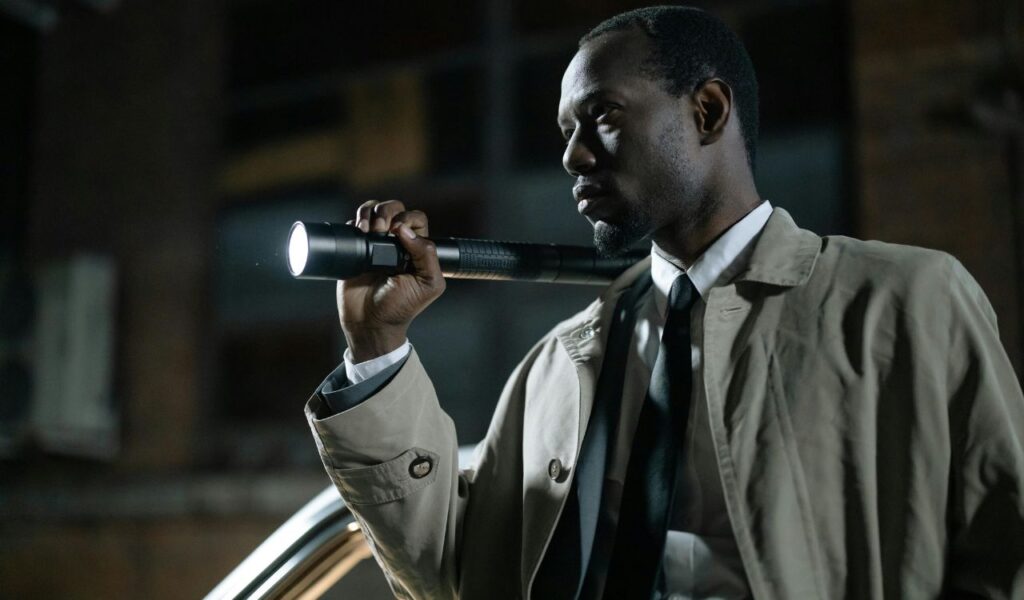
One of the major contradictions of contemporary storytelling is our obsession with criminals in movies.
Even while we respect justice and safety in our daily lives, we frequently find ourselves holding our breath in the hopes that the mob boss will outsmart the law or the bank robber will escape.
Media psychologists call this “narrative transportation.” Research shows that when we are involved in a story, our brains temporarily suspend our moral judgment to support the protagonist’s goals, even if they are illegal.
This appeal comes from the “outlaw hero” trope, say cinema historians. We love Robin Hood and The Godfather because they fight corruption or act independently, unlike us.
In the comfort of a fictional environment, viewers might vicariously explore their own “shadow sides”, the darker tendencies outlined by psychologist Carl Jung, by supporting these characters, according to experts.
This does not make us “bad fans”; rather, it makes us human beings who use art to explore the whole range of the human experience.
1. The Power of “Moral Self-Licensing.”
Moral self-licensing is a phenomenon that psychologists have discovered that explains why we defend our love of villains.
According to research, when a character is depicted doing a heroic or profoundly moral deed early on, such as Vito Corleone’s intense love for his family, we unconsciously give them “moral credit.”
According to experts, this enables us to ignore their potential transgressions since we have already classified them as essentially “good.”
When it comes to characters like John Wick, the injustice done to him, the death of his dog, and the memory of his wife serve as the audience’s moral compass.
Narrative theorists contend that this early suffering establishes a moral “pass” for the subsequent violence. We are rooting for the return of equilibrium, not for murder.
According to experts, as long as we think of the character as “criminals with standards” who do not cross certain limits, we may reconcile their crimes with our own morality.
2. The “Underdog Effect” and Anti-Authoritarianism
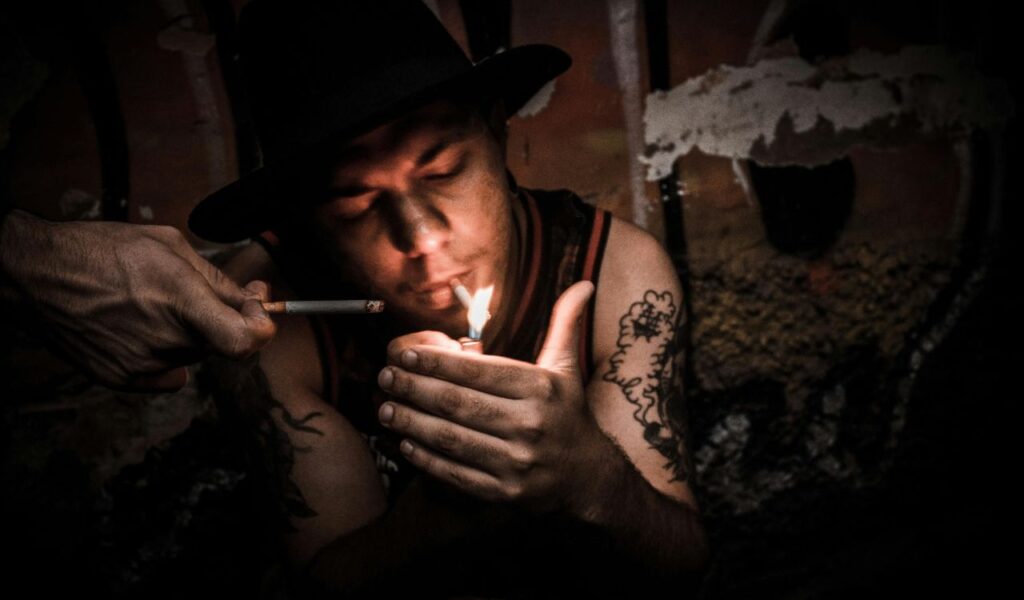
Regardless of their line of work, we are inherently inclined to support the underdog. Social scientists claim that a lot of offenders in movies are depicted as people fighting a large, uncaring, or dishonest system.
The main characters in films like Heat or Bonnie and Clyde are frequently portrayed as being victims of their circumstances or financial difficulties.
According to experts, this appeals to our innate mistrust of authority and portrays the criminal as more of a rebel than a predator.
Professors of literature and history note that this works especially well in periods of social or economic upheaval. Audiences supported gangsters during the Great Depression because they stood for a refusal to be subjugated by a system that was failing.
According to experts, the audience will almost always support the human, even if they are brandishing a gun, when a filmmaker juxtaposes a familiar human face with a chilly, bureaucratic organization.
3. Humanizing Through “Tragic Origin” Stories
The origin narrative is one of the best strategies a filmmaker can employ to humanize a criminal.
Character development experts claim that revealing a villain’s trauma or prior suffering fosters empathy, which is a strong motivator for audience devotion.
Movies like Cruella (2021) and Joker (2019) change the focus from the crime to the “why” behind it. According to experts, we stop viewing a character as a monster and instead picture someone who was “pushed” over the line when we can relate to their suffering.
Filmmakers compel us to use our “Theory of Mind” to forecast the behavior of their characters by revealing their inner lives, such as their loneliness, phobias, or unrequited love.
According to experts, this intellectual interaction forges a connection; the more time we spend in a character’s mind, the more difficult it is to maintain objectivity on their morals.
The “gray zone” created by this humanization, according to psychologists, is when the line between hero and villain is virtually imperceptible.
4. The Allure of Competence and “Hyper-Intelligence.”
When you witness someone very skilled at what they do, you get a psychological rush.
We are drawn to skill by nature, whether it is the methodical preparation of a heist in Ocean’s Eleven or the icy reasoning of Hannibal Lecter.
According to behavioral science experts, a high level of intelligence creates a “halo,” which makes characters appealing even when they lack morality.
We respect the criminal’s expertise, discipline, and mastery, but we do not necessarily want to be them.
This is why “Masterminds” and “Gentleman Thieves” are such well-liked archetypes, according to movie critics. The suits, the wit, and the ability to keep three steps ahead of everyone else are the aesthetics of their power that captivate us.
According to experts, our moral condemnation might be overcome by this appreciation of skill. The crime becomes a kind of high-stakes performance art, and we find ourselves rooting for them to succeed only to see their “perfect plan” come to pass.
5. Vicarious Catharsis: Doing What We Can’t
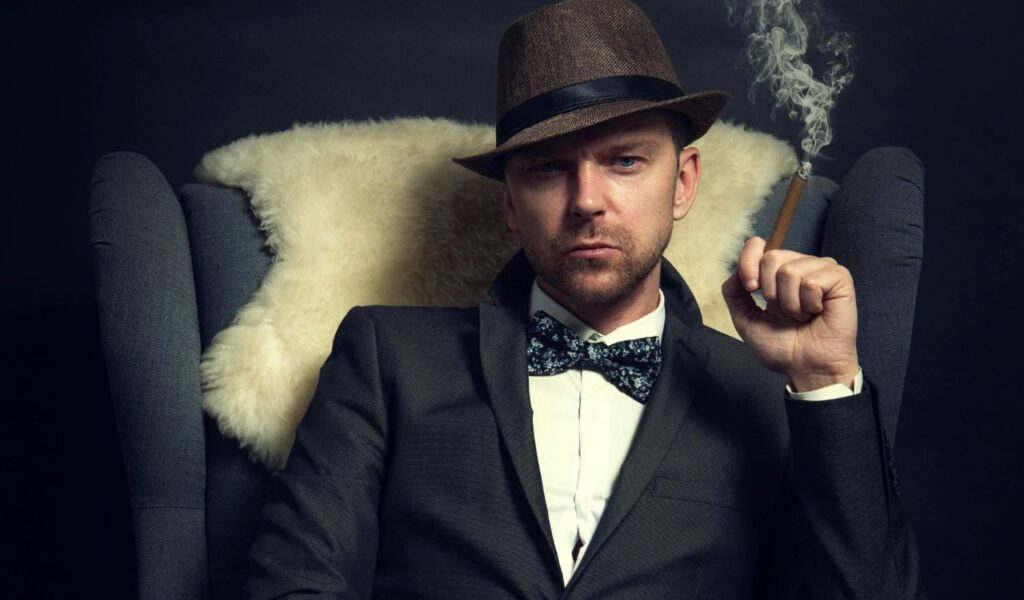
Sociologists contend that supporting a criminal serves as a cathartic or emotional outlet. We are constrained in our day-to-day activities by thousands of laws, professional rules, and societal norms.
Psychologists claim that the “dark” characters on television follow impulses that many of us have but would never follow, including retaliating against a bully or reprimanding a boss.
According to experts, we can let off steam in a safe, consequence-free setting by watching these characters disobey the rules.
Freud’s idea of our most basic desires led to the term “Id-driven” being used to describe this experience. Our “Id” relishes the freedom and power that bank robbery entails, even though our “Superego” is aware that it is bad.
According to experts, in a world where there are no repercussions, we are represented by fictional criminals. We have felt the excitement of the hunt and the might of the outlaw by the time the credits roll, and we can return to our law-abiding lives with a strange sense of satisfaction.