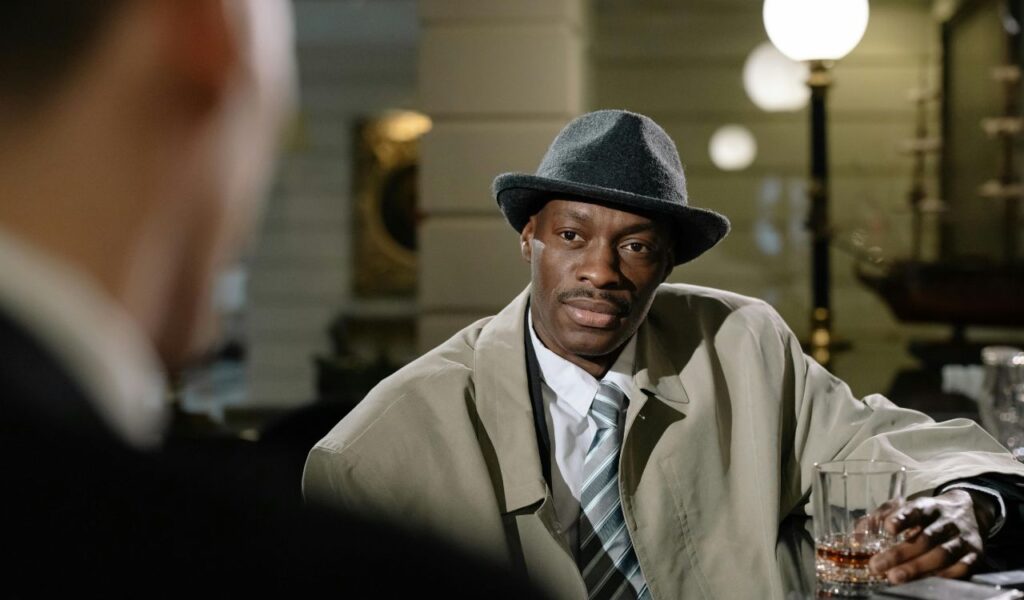
The Mafia genre’s enduring popularity shows its psychological depth. Cinematic psychology experts say we like organized crime movies because we are curious about power and liberty.
Behavioral experts say these films allow viewers to observe ultimate authority without the real-world consequences.
In a highly controlled society, viewers’ vicarious satisfaction in seeing Tony Soprano or Michael Corleone defy social norms to advance their own goals is relevant.
Film historians say Mafia flicks are Shakespearean tragedies or Westerns. Industry analysts say these stories are based on betrayal, familial devotion, and the “American Dream” gone awry.
Researchers say the genre’s popularity lies in its ability to evolve. Early works focused on the brutal reality of the streets, but later works critiqued corporate culture and government corruption.
This alteration allows the genre to continue expressing our changing views of the institutions that dominate our lives.
1. The Allure of the “Parallel Society.”

We like the Mafia because it is a secret group with its own rules. Sociologists say this “alternative” legal system appeals to those who feel left down by regular institutions.
Legal historians say the Mafia’s omertà, or code of honor, offers a sort of loyalty that many feel is lacking in the workplace or government.
Joining an elite, untouchable gang is a compelling narrative hook that keeps viewers coming back to the genre.
Psychologists say the Mafia movie gives the illusion of complete freedom. In these flicks, the “boss” can fix issues the law won’t.
Experts believe this satisfies a basic need for swift justice and safety. These films exploit primordial tribal tendencies by showing a world where “family” is your major source of protection and identity.
This alternative society is about the need for a personal, not bureaucratic, framework, not only for crime.
2. Power as a Means of Protection
Power is portrayed in mafia movies as a need rather than a luxury.
Experts in narrative theory claim that the most fascinating mafia bosses seek power to protect their families.
Screenwriters claim that this desire makes characters likable despite their savagery. According to experts, if viewers think the character is motivated by familial responsibility, they will overlook moral failings.
The protagonist and the viewers develop a strong emotional bond.
The Mafia “don” is regarded by anthropologists as a contemporary protective patriarch. According to cultural scholars, there is a common dread of losing family members to external threats.
Mafia movies demonstrate that in a hostile setting, power is the only protection. According to experts, weak people relate to this perspective of power as protective rather than hostile.
It makes gaining influence a horrible need, which increases the likelihood of these individuals’ demise.
3. The Corruption of the American Dream
Mafia movies are viewed by many commentators as the ultimate critique of the American Dream.
These films demonstrate the bad side of upward mobility, where ruthlessness is rewarded above hard labor, according to social history experts.
The Mafia is referred to by some economists as a “perverted” organization that puts expansion and profit first.
Experts claim that highlighting gangsters who rise to prominence and wealth exposes systemic flaws that enable crime to flourish.
According to cinema historians, “rags to riches” often means losing the character’s soul in these films. Experts suggest this might be a morality tale.
Although we may respect the wealth and power of these individuals, the cost is too high. According to sociologists, this aids viewers in examining their opinions regarding capitalism and competition.
In the Mafia movie, Power is shown to be spiritually bankrupt.
4. The Complexity of Codes and Rituals
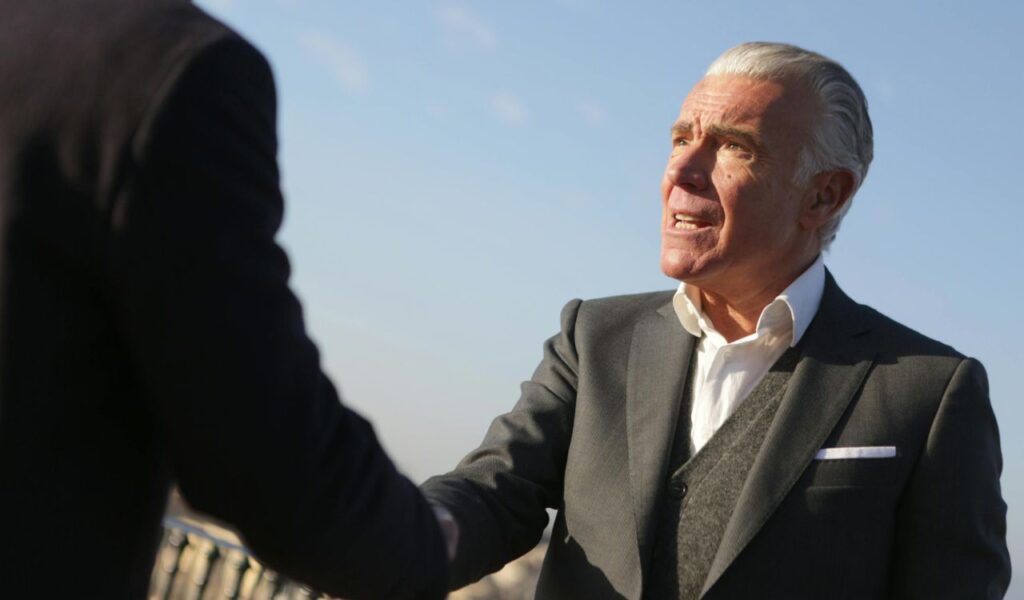
In Mafia movies, intricate customs and rules of behavior establish an order that many people find intriguing.
According to semiotics experts, Goodfellas’ handshakes, ceremonies, and jargon give them weight and credibility.
According to cultural anthropologists, these customs give the impression that crime is a sacred brotherhood.
Experts contend that relying too much on “tradition” romanticizes the way of life while concealing the violence.
According to the organizers of the film festival, the Mafia’s outfits, sophisticated meals, and sitting arrangements are alluring. According to fashion historians, this look elegantly communicates respect and discipline.
According to experts, the Mafia’s customs provide order in a chaotic setting. Even the most aggressive characters have a function when they adhere to strict guidelines.
This methodical world-building gives the audience a sense of a unique and ancient society.
5. Reflections of Masculinity and Vulnerability
Traditional masculinity is often examined in mafia films. According to gender studies experts, these films show the “burden” of being a man in a culture that expects strength and emotional concealment.
Psychologists say these films’ vulnerability, Tony Soprano’s panic attacks, or Vito Corleone’s calm garden moments, make them classics. Seeing the emotional toll of authority makes these characters more human than rough stereotypes, say experts.
Critics say the genre lets males address fatherhood and legacy. Most Mafia epics revolve around the dread of being a “bad father” or failing to support the next generation, according to experts.
Sociologists say focusing on criminals’ domestic lives shows their challenges in a vivid, heightened perspective.
The characters’ street authority is often ineffective at home, showing their influence limits and the fragility of the human heart.
6. The Psychological Weight of Betrayal
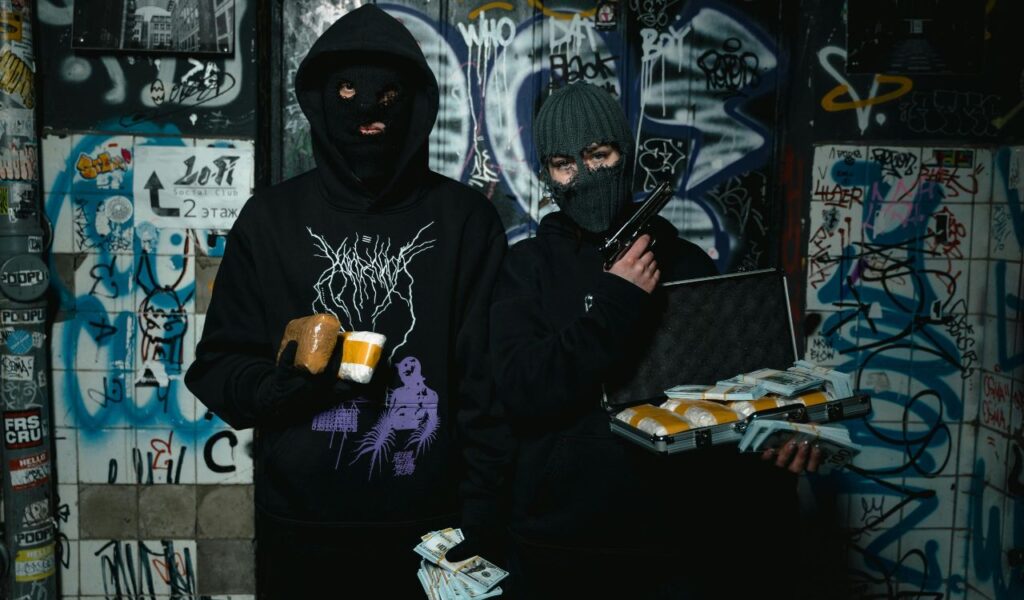
If power is the currency of the Mafia movie, betrayal is its inevitable tax. Experts in behavioral psychology point out that the fear of the “rat” is a central tension in the genre.
According to criminal justice consultants, the focus on loyalty makes the act of betrayal feel like a cosmic sin rather than a legal necessity.
Experts say that this creates a high-stakes environment where every conversation is loaded with subtext. The constant threat of being turned on by your closest friends makes the exercise of power feel precarious and exhausting.
According to narrative specialists, the “betrayal arc” is what provides the most dramatic payoffs in the genre.
Experts suggest that the audience feels the sting of a character’s treachery because we have spent time witnessing the bond between the characters.
According to historians, this mirrors real-world fears of abandonment and the fragility of trust in professional and personal circles.
The Mafia movie teaches us that the more power you have, the fewer people you can actually trust. This isolation is the ultimate irony of the genre, showing that at the peak of power, one is often completely alone.
7. The Visual Language of Authority

The weight of power is conveyed in mafia films. According to cinematography experts, the “boss” appears larger due to low-angle shots and deep shadows.
Art directors claim that the harshness within is contrasted with opulent dining establishments, dark wood offices, and marble foyers.
According to specialists, this visual language helps viewers appreciate the “prestige” of the lifestyle before it inevitably declines.
According to lighting experts, the “chiaroscuro” style of the genre represents the duality of the characters. According to experts, this approach transforms films into magnificent operas.
Costume designers claim that a character’s transition from cheap leather jackets to custom suits represents their power.
The audience is not just watching a narrative; they are immersed in a meticulously constructed world where every visual element emphasizes prestige, authority, and the high cost of admission.
8. The Inevitability of the Downfall
Lastly, the attractiveness of the Mafia film lies in the fact that the “house” consistently loses. Experts in dramatic structure claim that the genre’s cycle of rising and collapse aligns with our cosmic justice.
Moral theorists contend that witnessing these individuals fail validates our decision to uphold the law. The mob boss’s tragedy, according to experts, is recognizing that time and the law cannot be stopped by power.
Historians claim that this “inevitable end” adds to the journey’s tragedy.
Knowing the heroes’ empires will fail, we watch with “dread-filled fascination” as they build them. Experts claim this arrangement enables us enjoy the crime while feeling morally satisfied.
The death of the Mafia titan, according to cultural commentators, demonstrates that power is fleeting and destructive.
As the screen goes black, the viewer is left feeling catharsis by the film’s potent statement about human influence.